Introductory Sommelier Coursebook
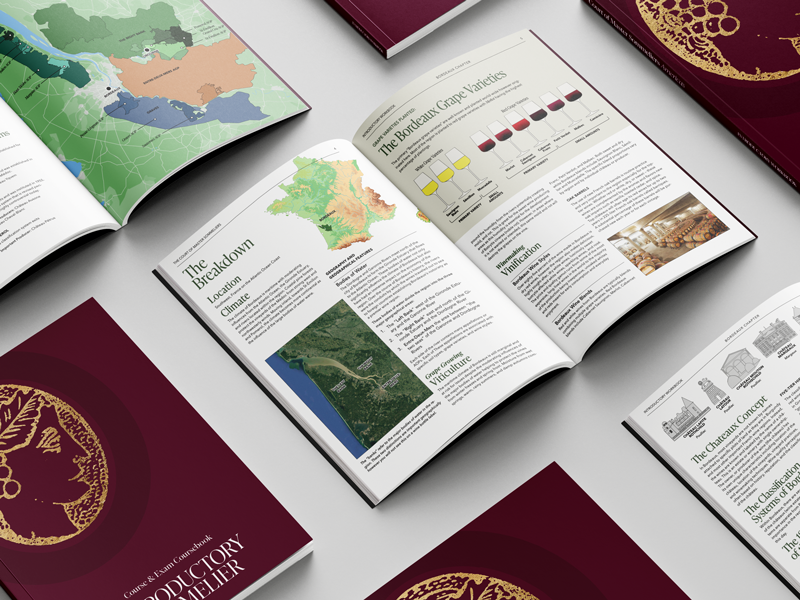
Title spread, Introductory Sommelier Course & Exam Coursebook
Earned introductory certification with the Court of Master Sommeliers before design began, learning the material the way the book's students would. The Court runs the certification path that ends in one of the hardest exams in hospitality, and the Introductory course is where every candidate starts.
The existing workbook was text-heavy and visually flat, with none of the hierarchy or spatial structure a student needs to prepare for an exam. Its content ranged across geography, viticulture, tasting methodology and hospitality, and no design system held any of it together.
Build a study system in two formats: a physical workbook and an interactive PDF with clickable navigation, quizzes, and maps. Rebuild the information architecture from scratch and draw custom regional maps, soil and viticulture diagrams, and architectural illustrations of the key châteaux, giving students something visual to hold onto in both the tasting and theory exams.
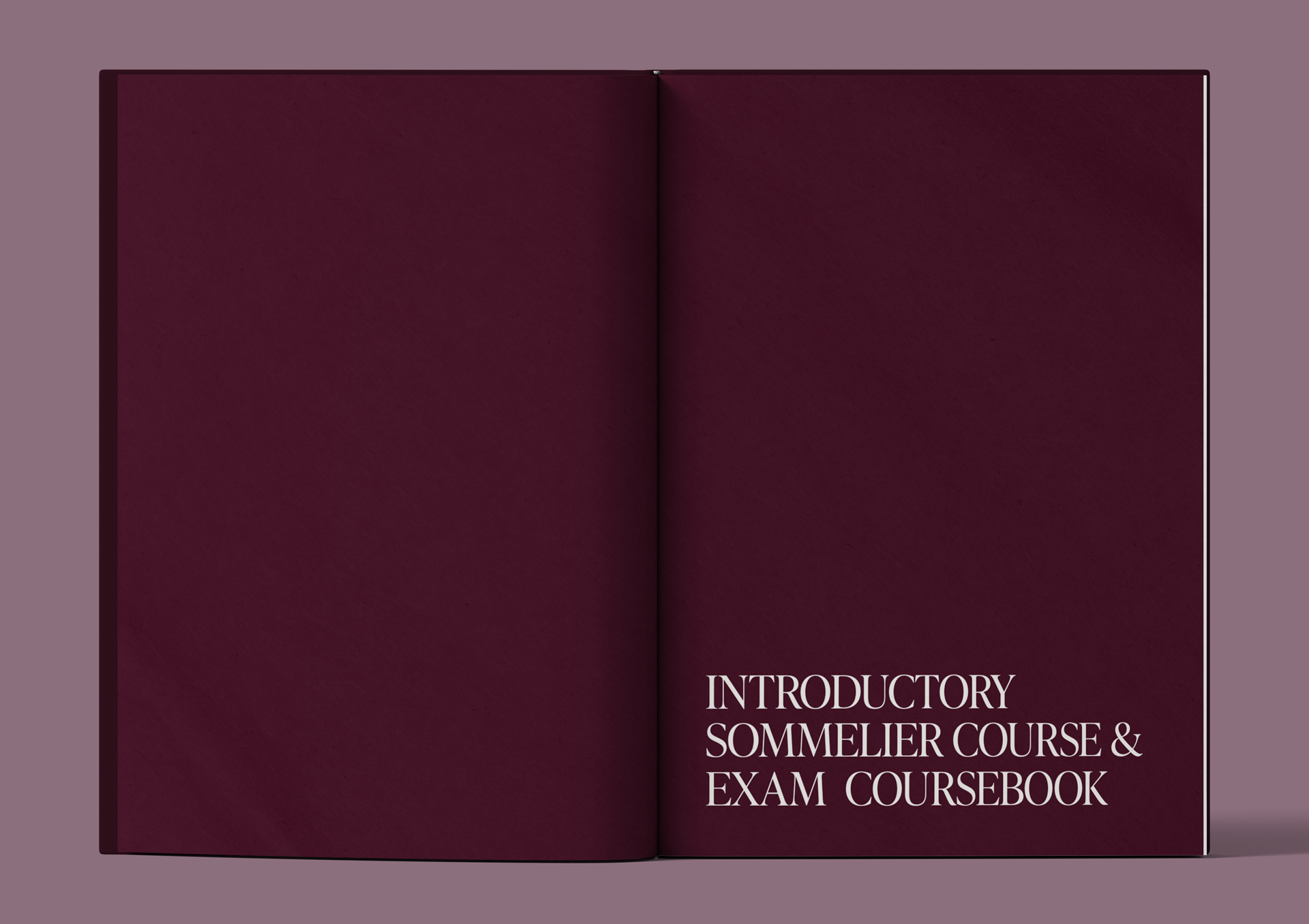
Coursebook title spread
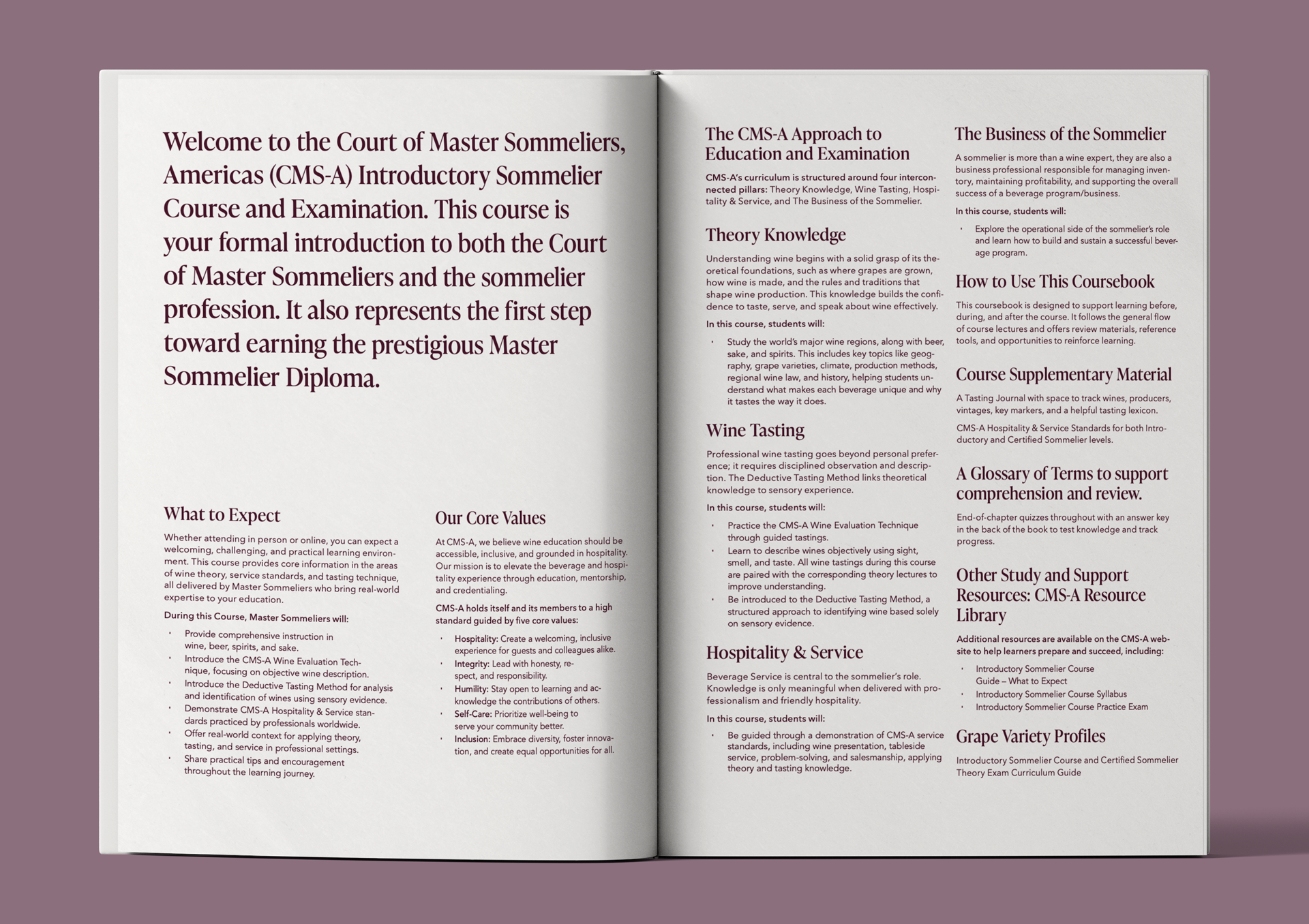
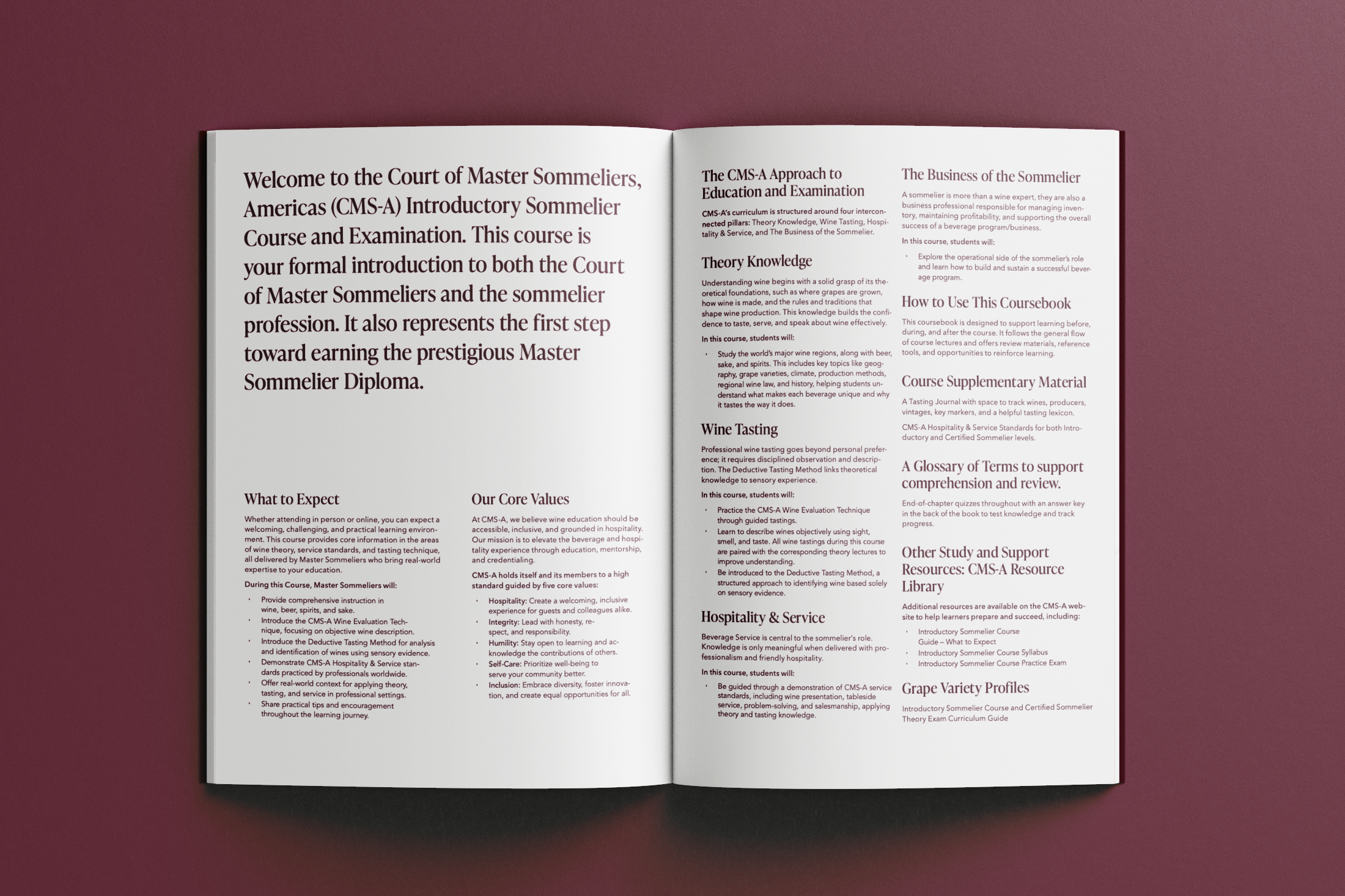
Welcome, the CMS-A approach to education and examination
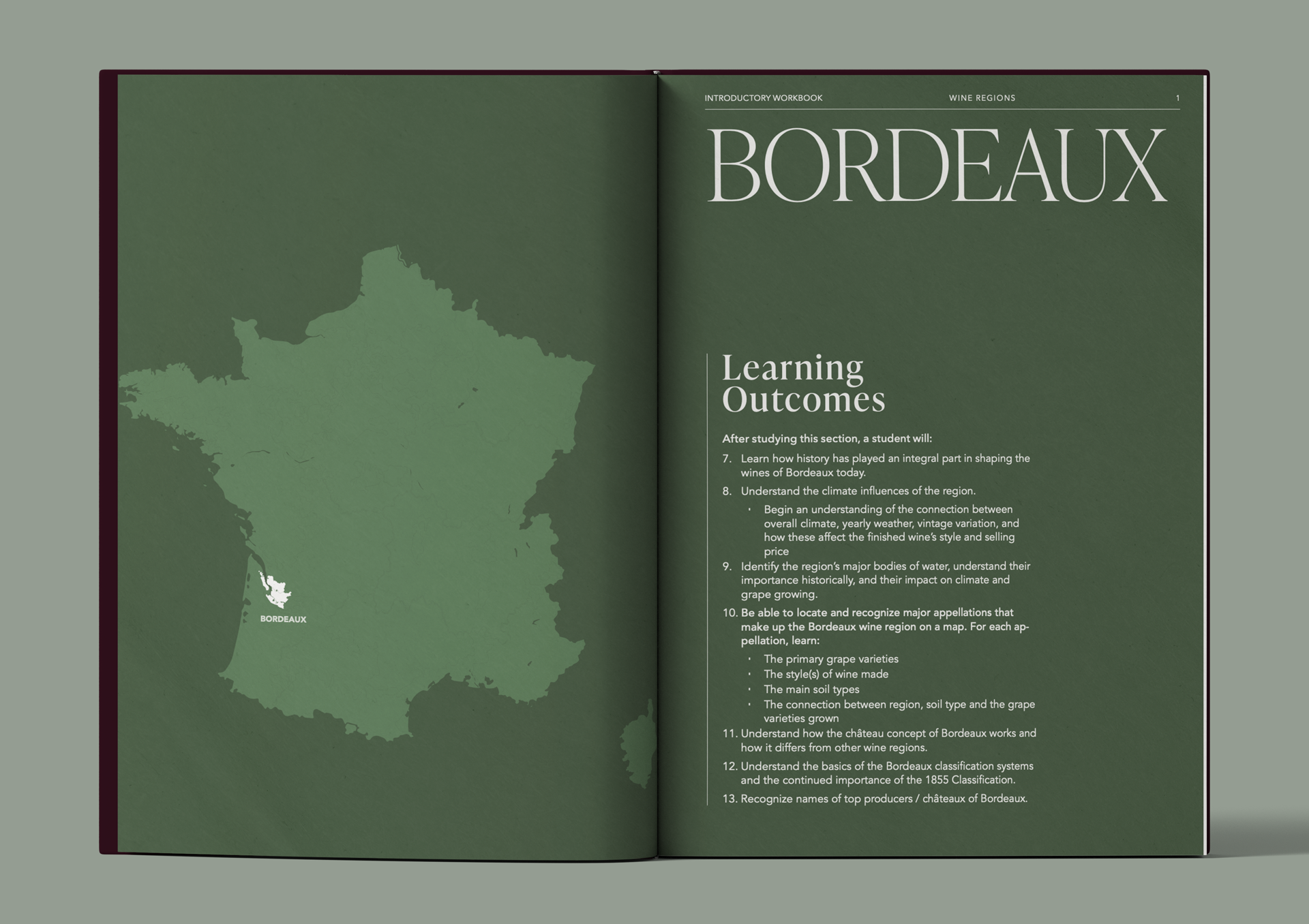
Bordeaux, chapter opener and learning outcomes
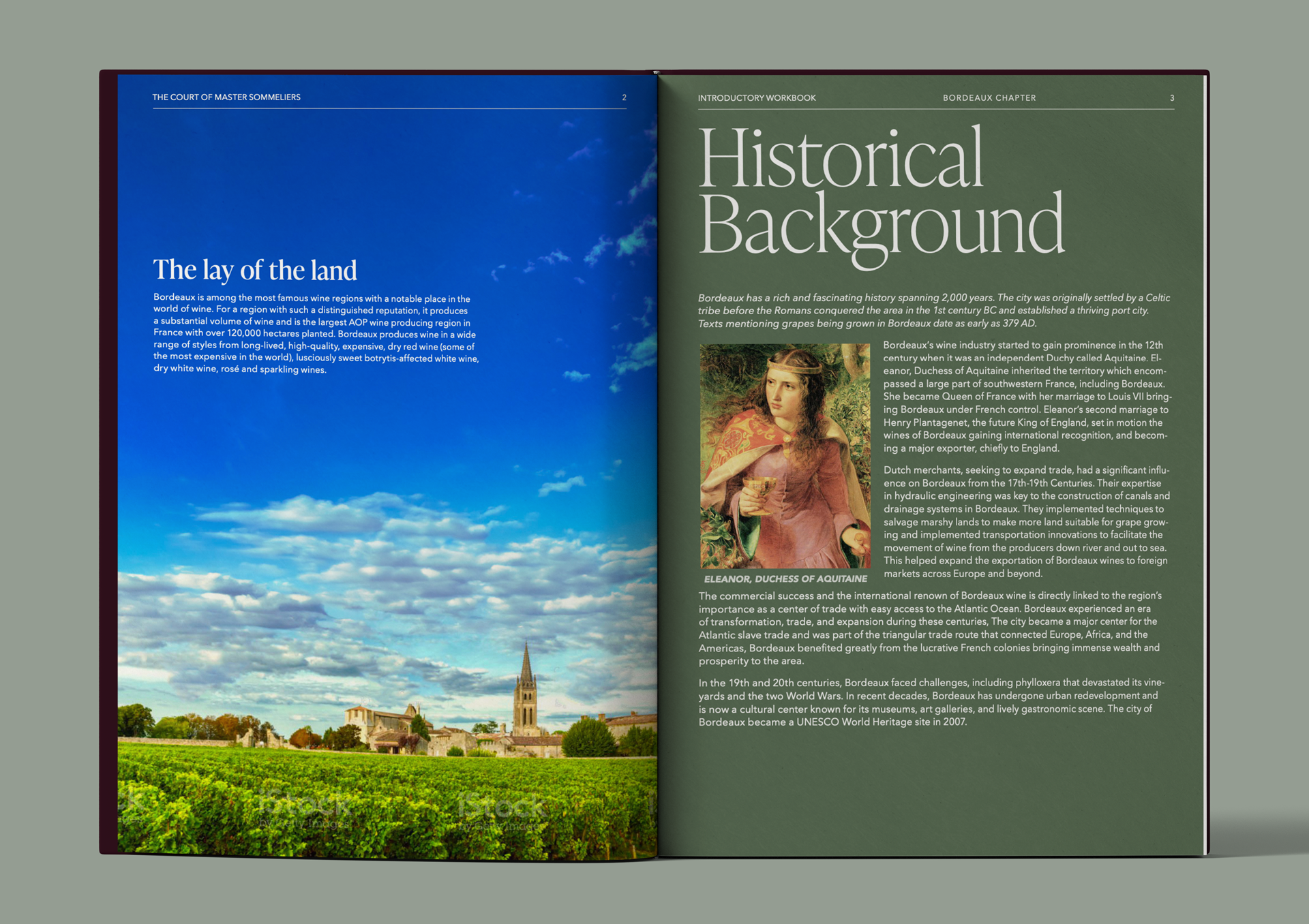
The lay of the land and historical background
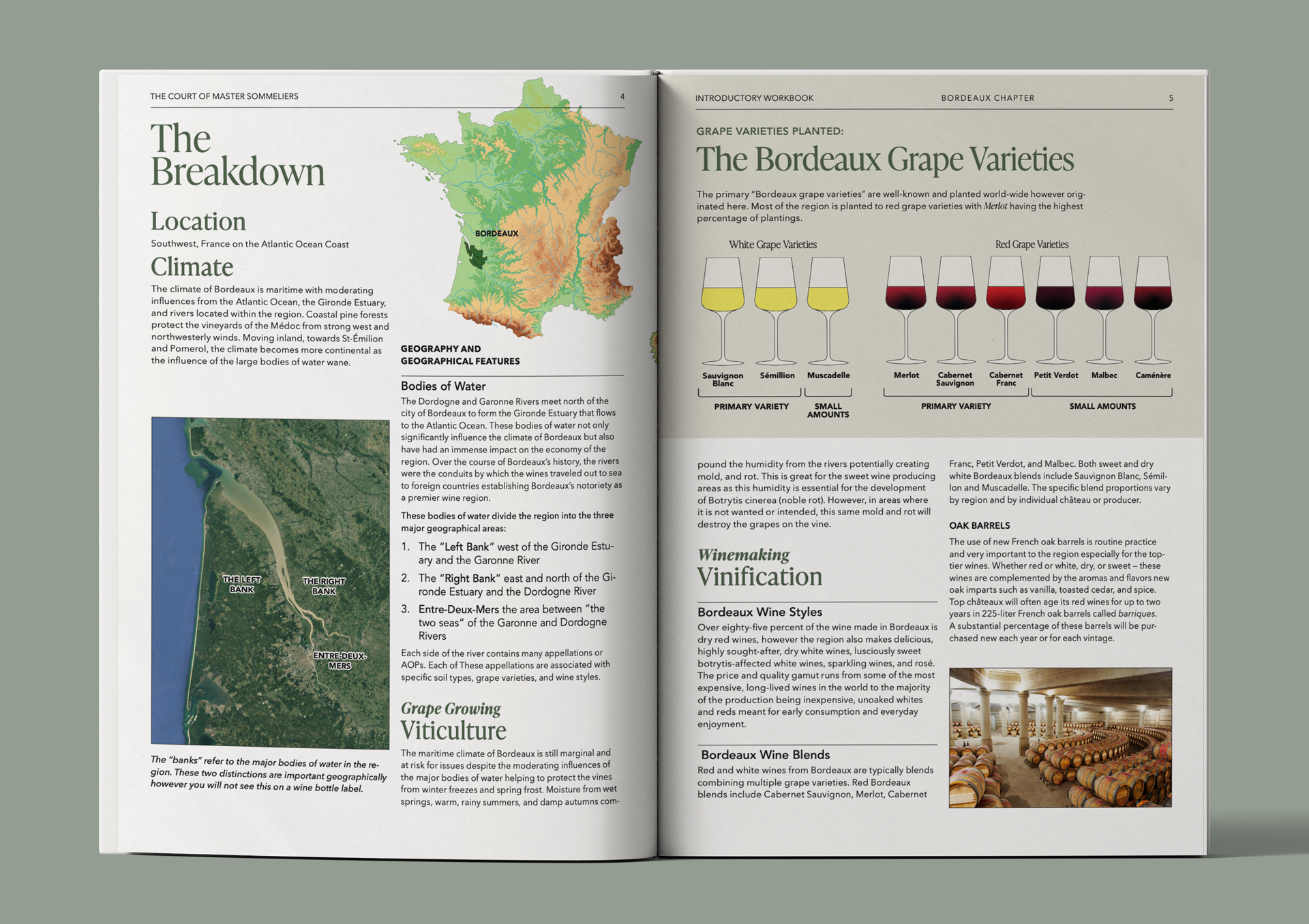
The Breakdown: location, climate, left bank and right bank, and the primary grape varieties
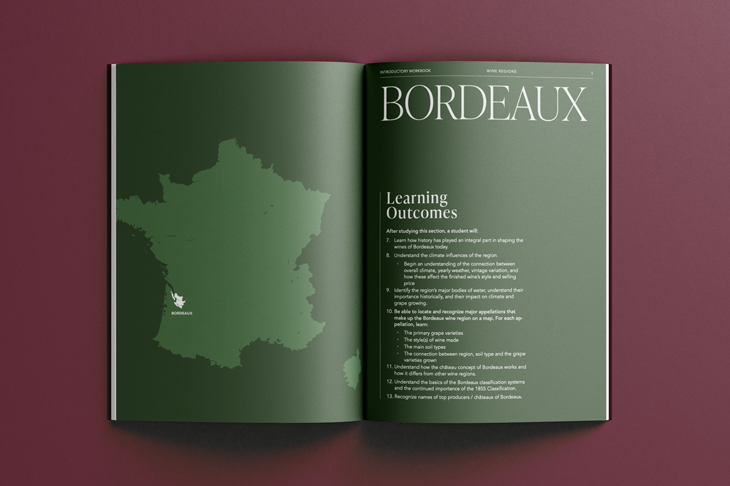
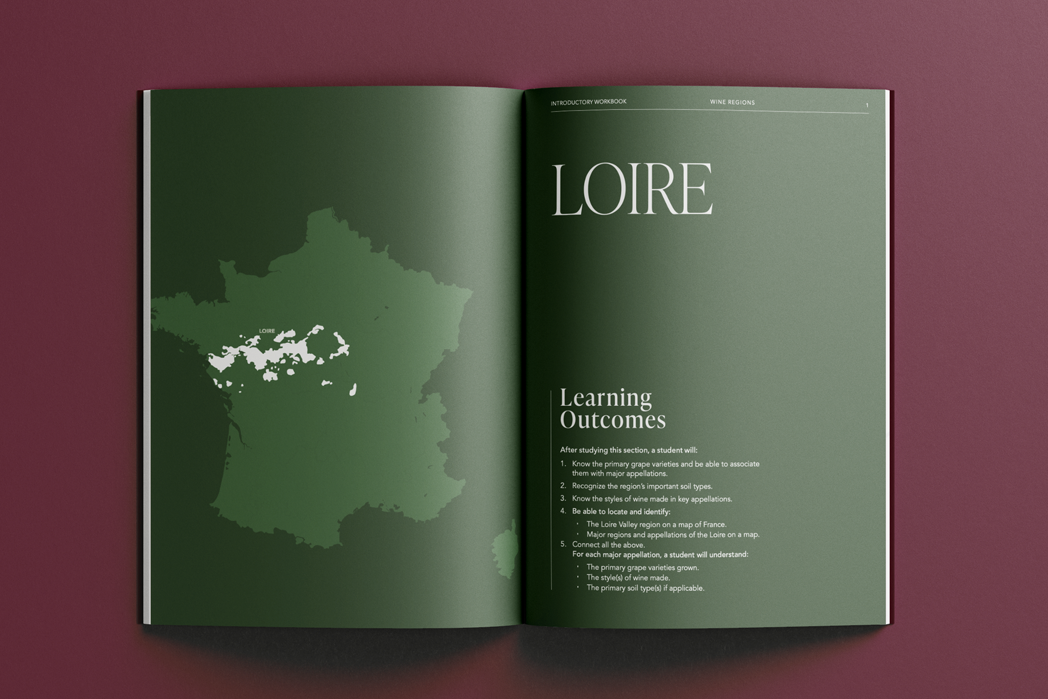
Each chapter opens on its learning outcomes, so students know what the exam expects before they read a page.
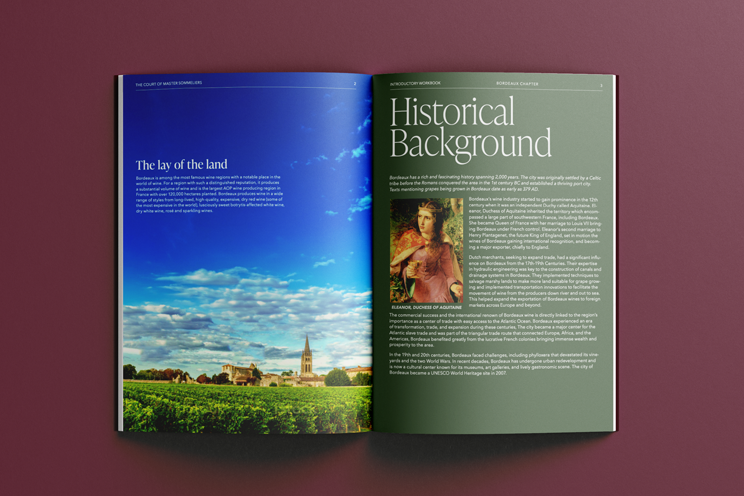
Geography and history share a spread, with the map beside the timeline so place and period are read together.
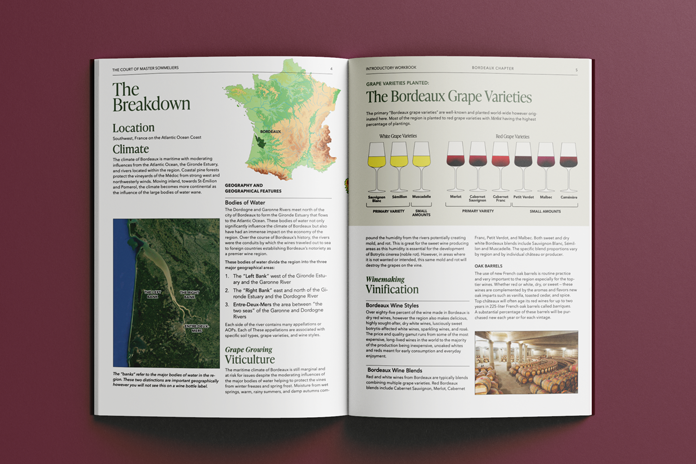
The Breakdown condenses each region into one repeatable format: climate, banks, and grapes in the same order every chapter.
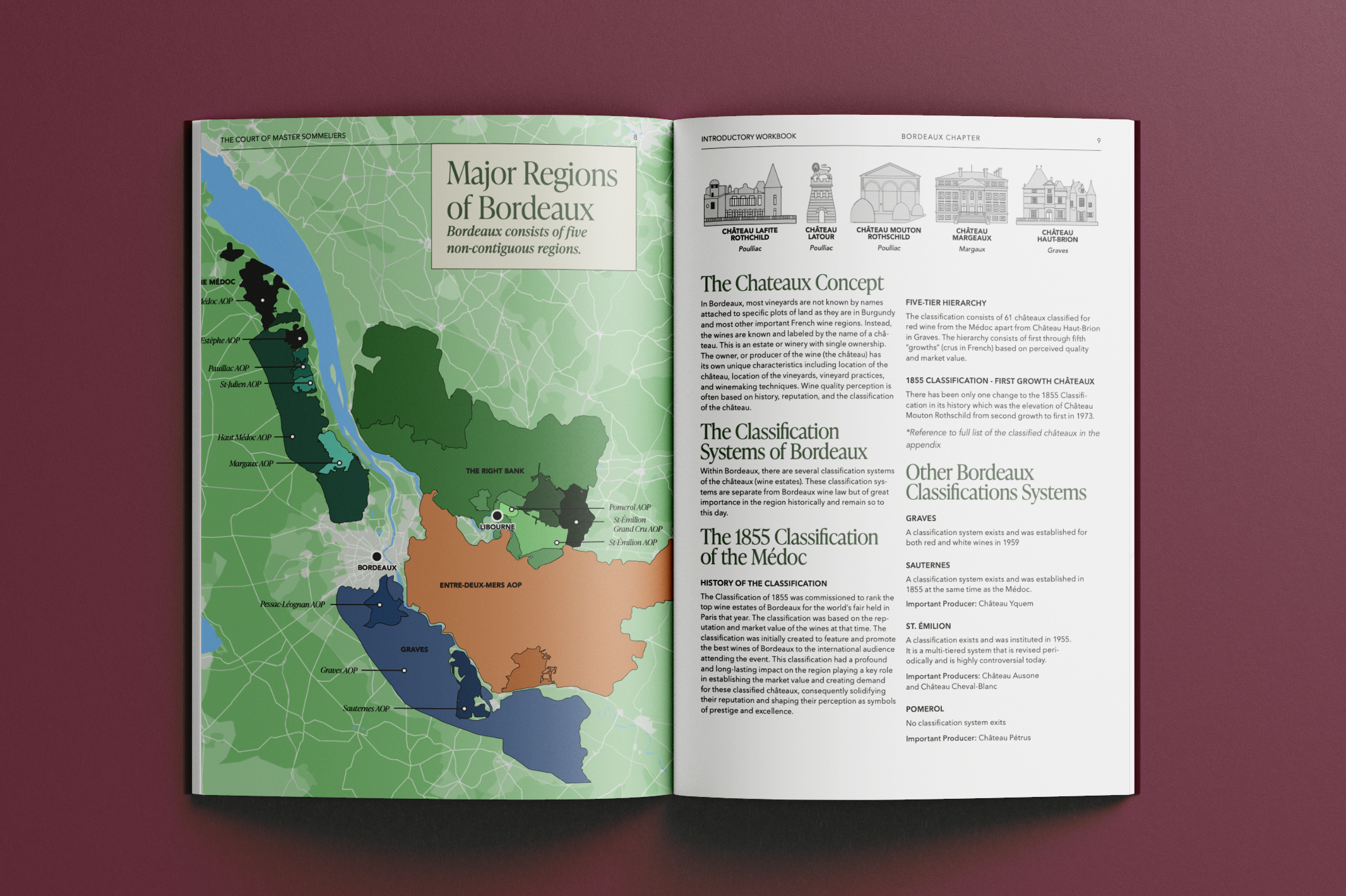
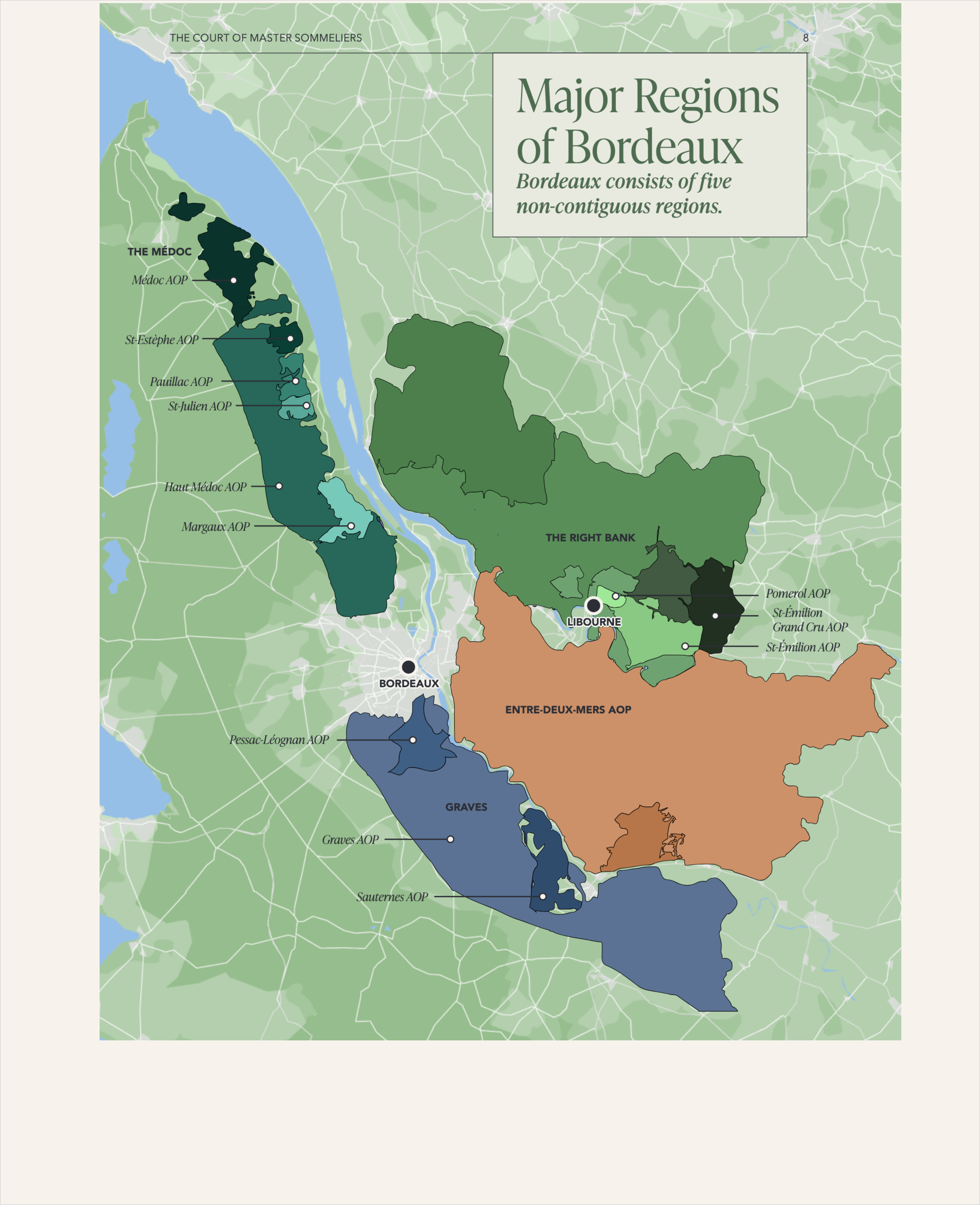
Major regions of Bordeaux and the château concept
How it was built
Three systems carry the book: the cartography, the construction, and the review process that kept 336 pages accurate. Every map, chart and illustration was drawn for this book. Nothing was licensed, and nothing shipped without a Master Sommelier signing off on the content behind it.
Every chapter runs the same spread order. A colour-field opener, a locator map, the learning outcomes, the region in detail, a summary table, then a review quiz. Learn the structure once and the whole book becomes navigable.
Bordeaux · Burgundy · Champagne · Loire · Rhône · Alsace · Germany · Austria · Spain · Portugal · United States · Argentina · Chile · Australia · New Zealand · South Africa · Special styles · Business of the somm
A perfect-bound workbook for the classroom and an interactive PDF with clickable navigation and quizzes for study at home, both built from the same page system.
Perfect bound, 336 pages · Interactive PDF, clickable nav · Quiz + answer key · Chapter colour system
Worked directly with the Court's Education Director, Melissa Monosoff, Master Sommelier. Every chapter cleared four gates before layout was signed off, which were content lock, copy alignment, technical read and proof. Design never outran what the Court could certify.
The course was completed before any of this began, and the book was made from a student's seat rather than over it.
The wine colour system
Every glass was hand-coloured to its true appearance and placed chapter by chapter, white before red, so a student meets each region's varieties in the order the book teaches them.
{{ activeRegion.title }}
The first growths
Five châteaux were drawn for the Bordeaux chapter and rendered the 1855 classification in the same hand as the glassware, which puts architecture and appellation in one visual language.
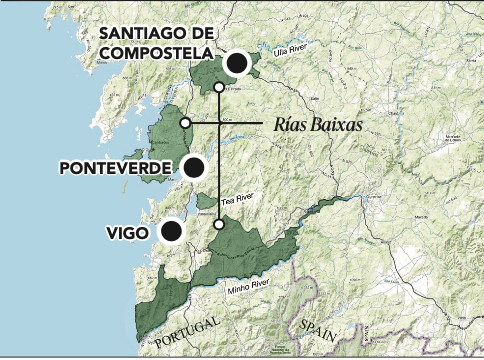
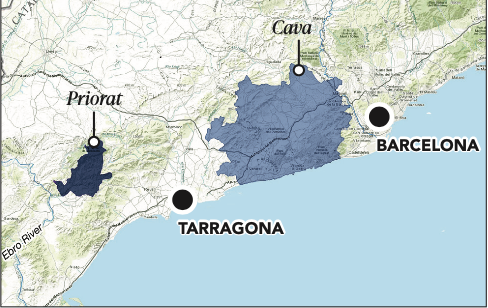
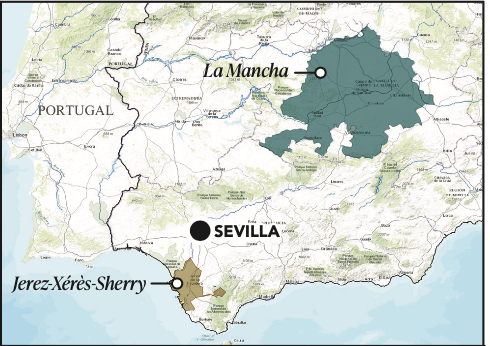
Cartography
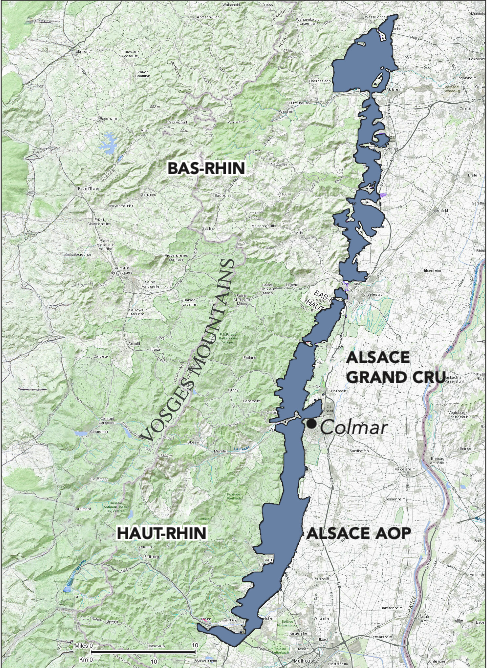
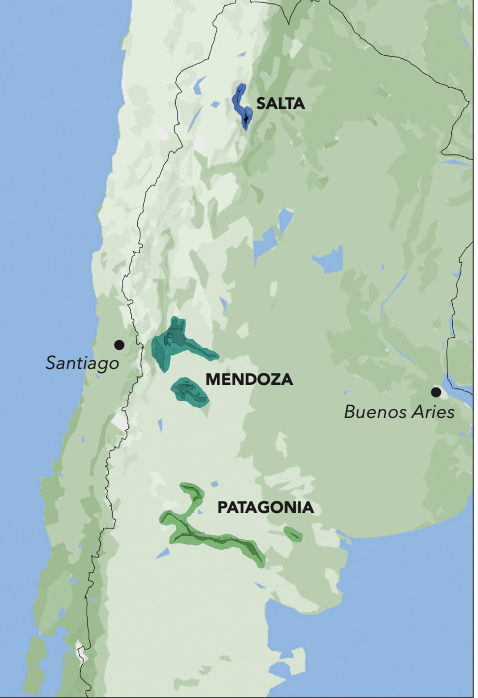
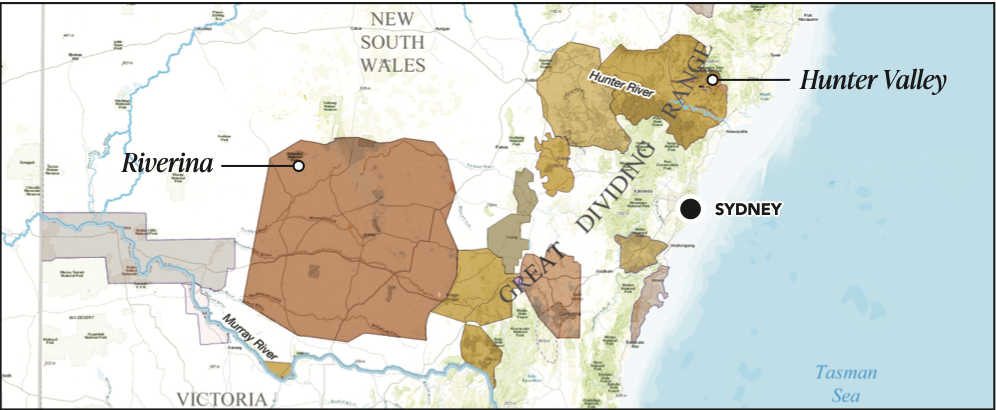
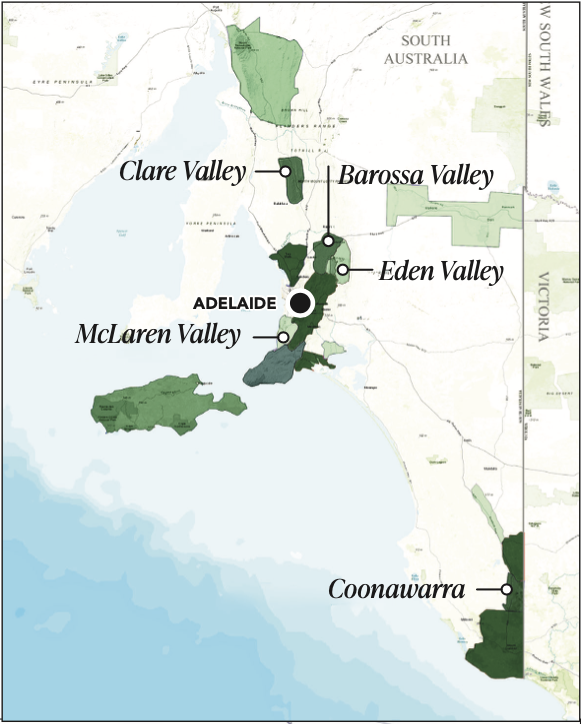
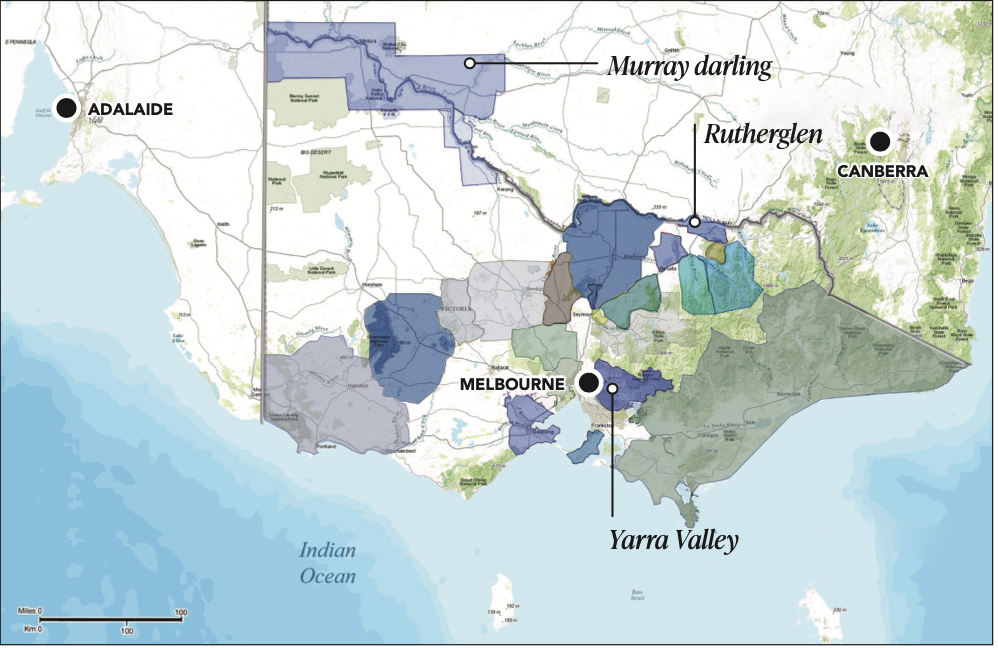
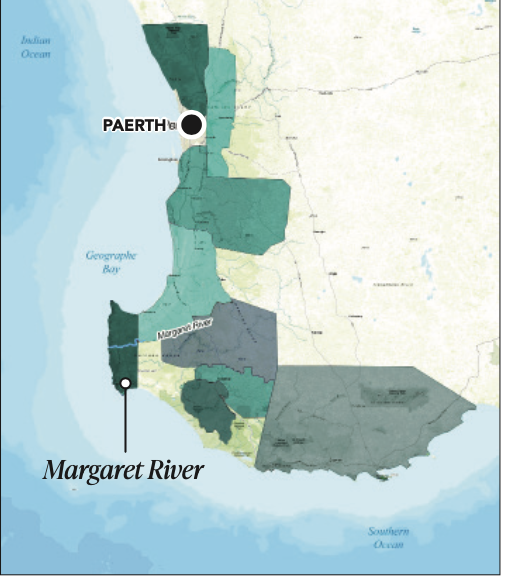
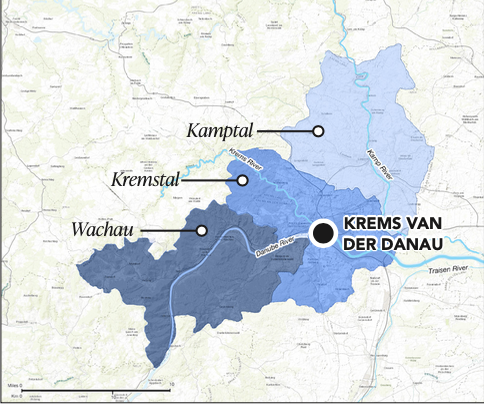
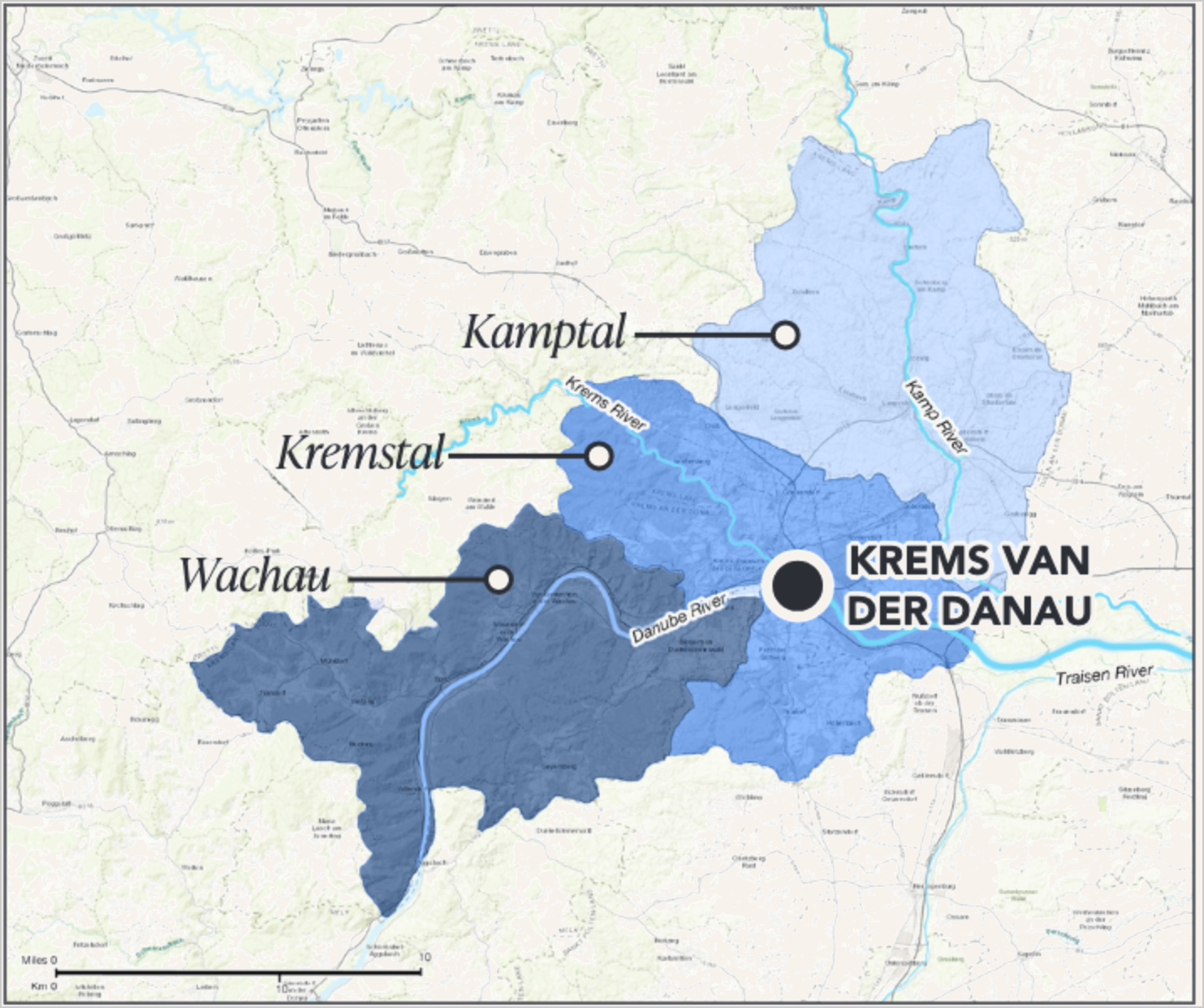
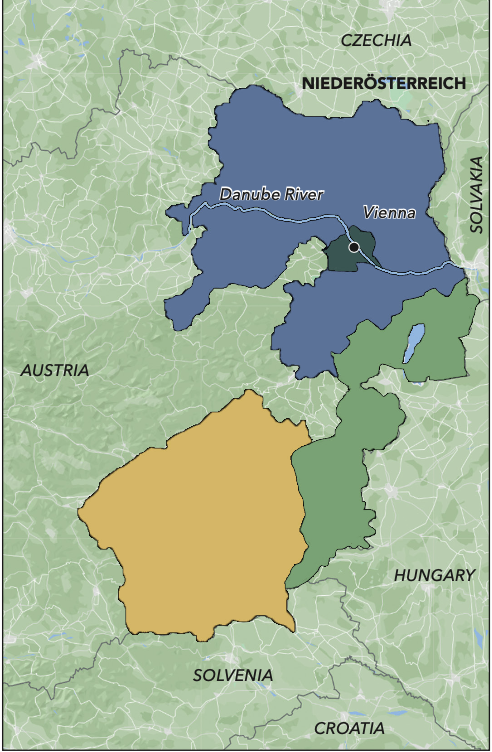
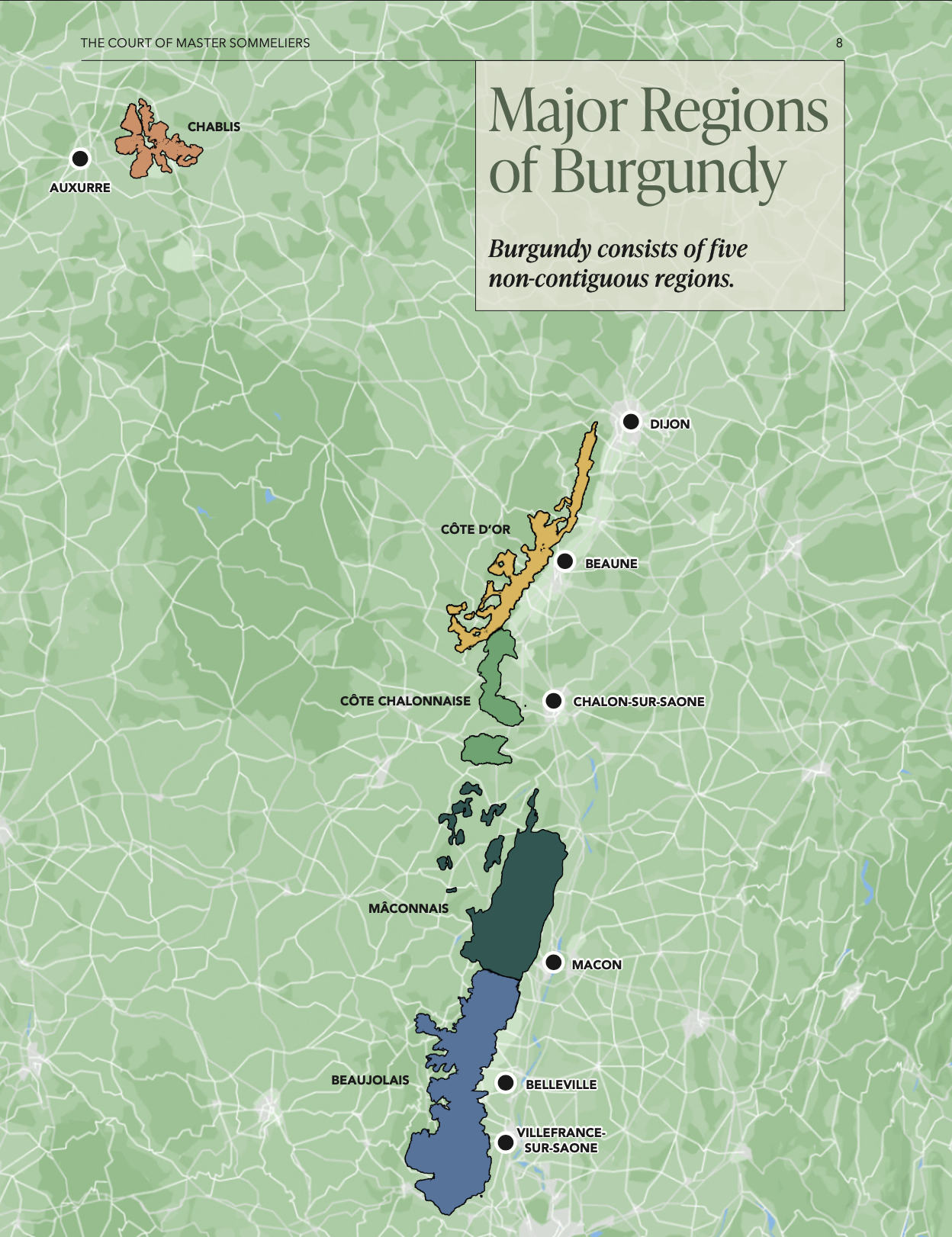
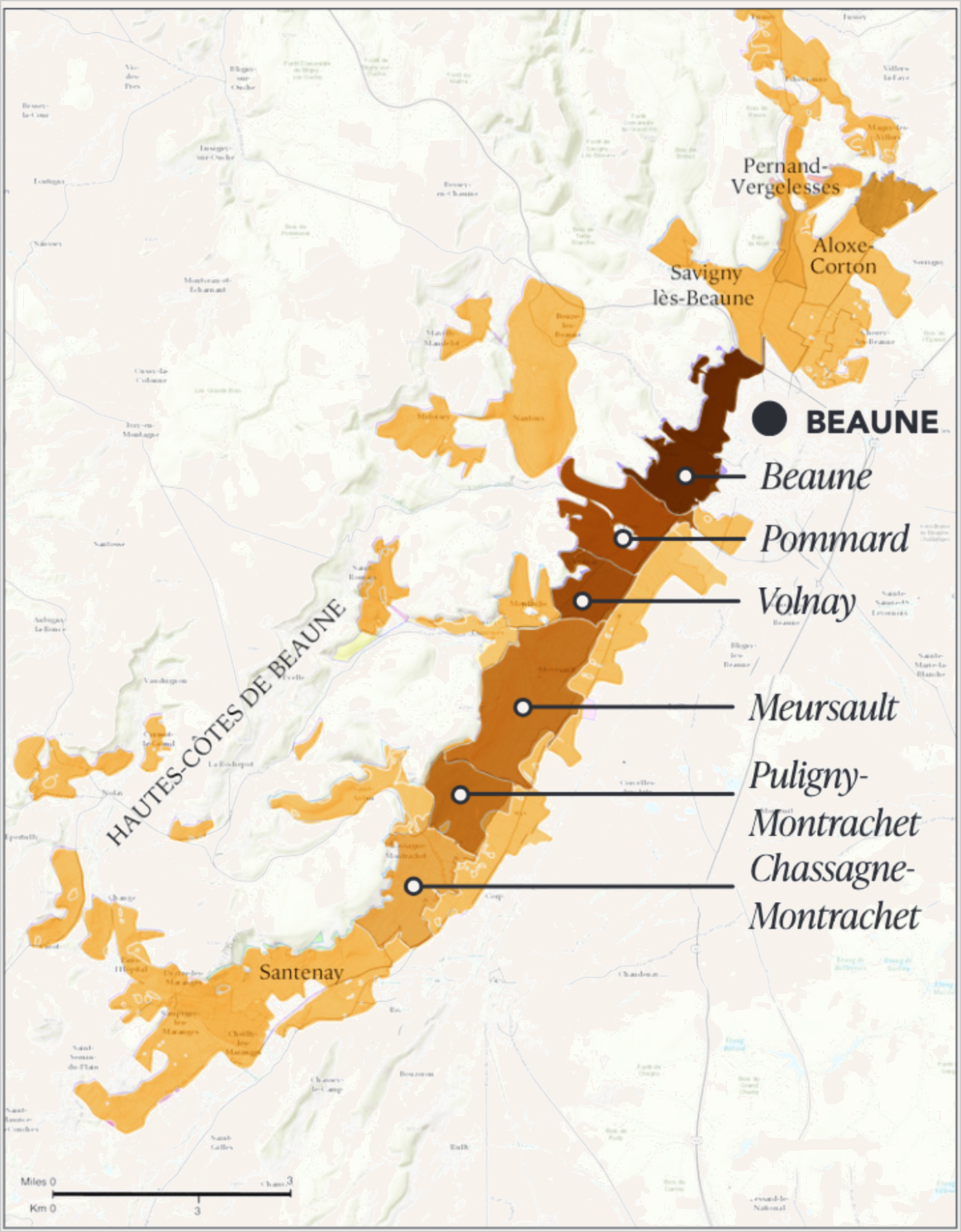
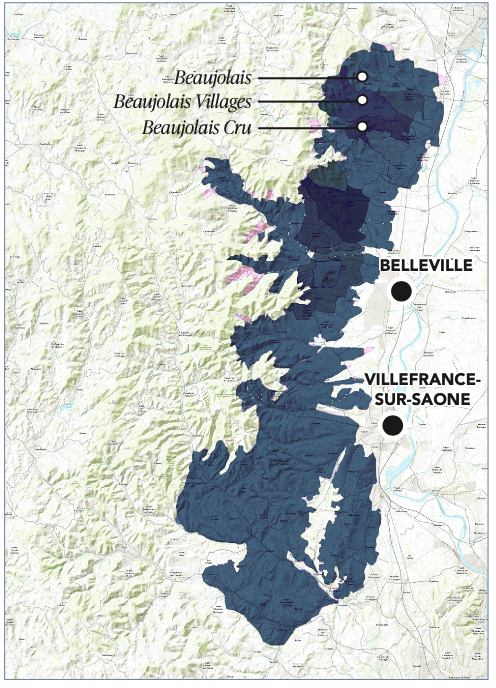
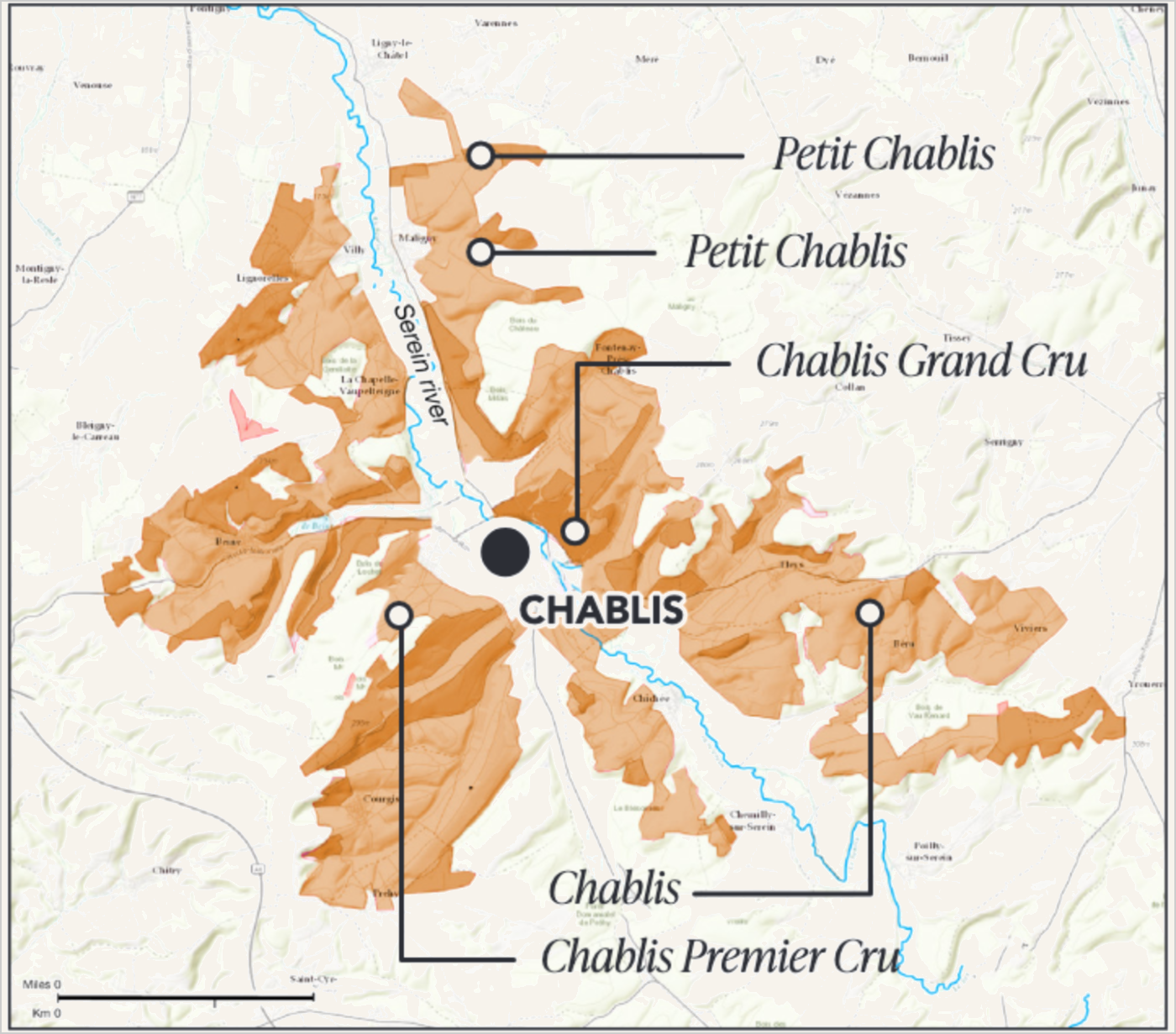
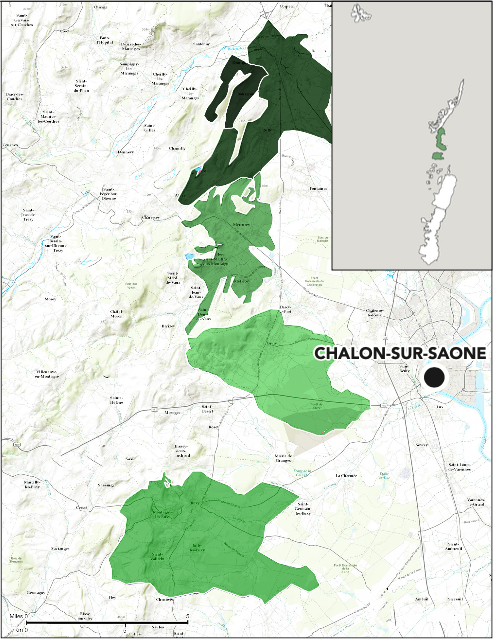
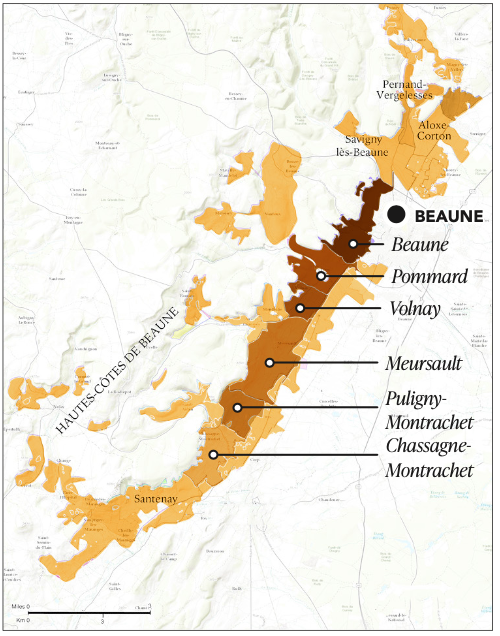
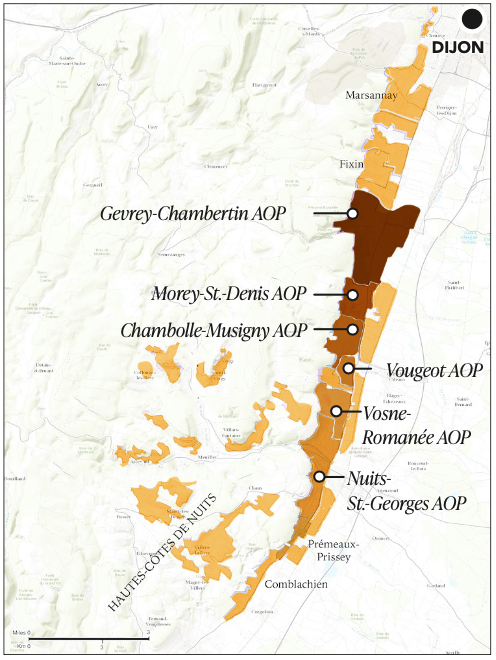
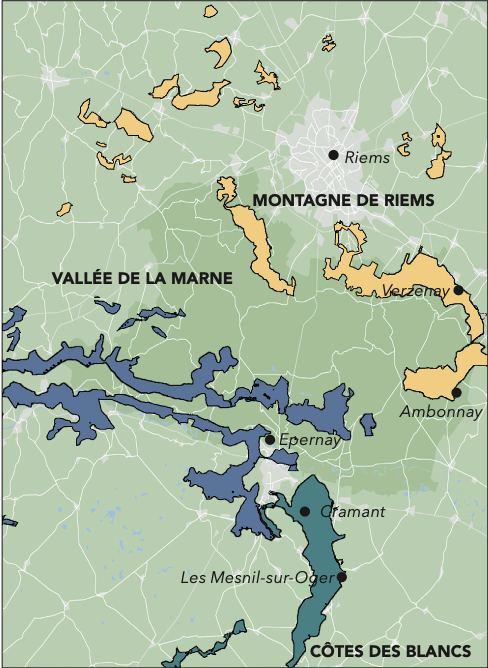
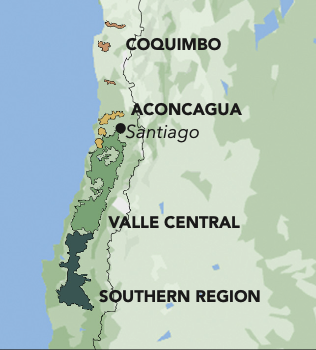
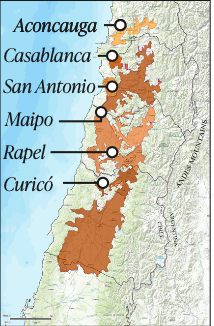
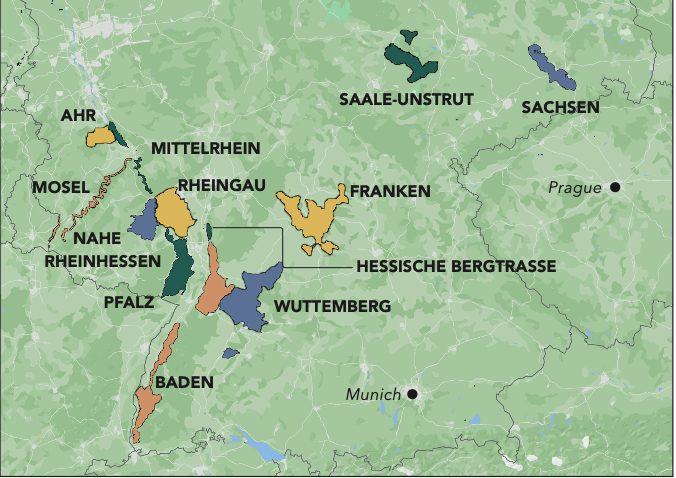
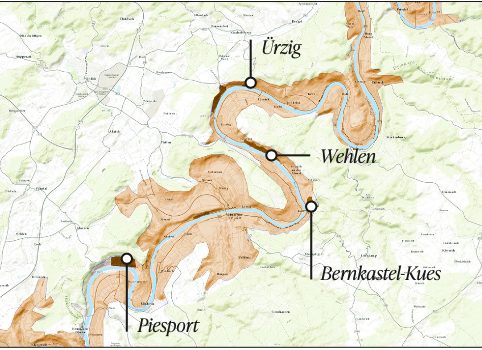
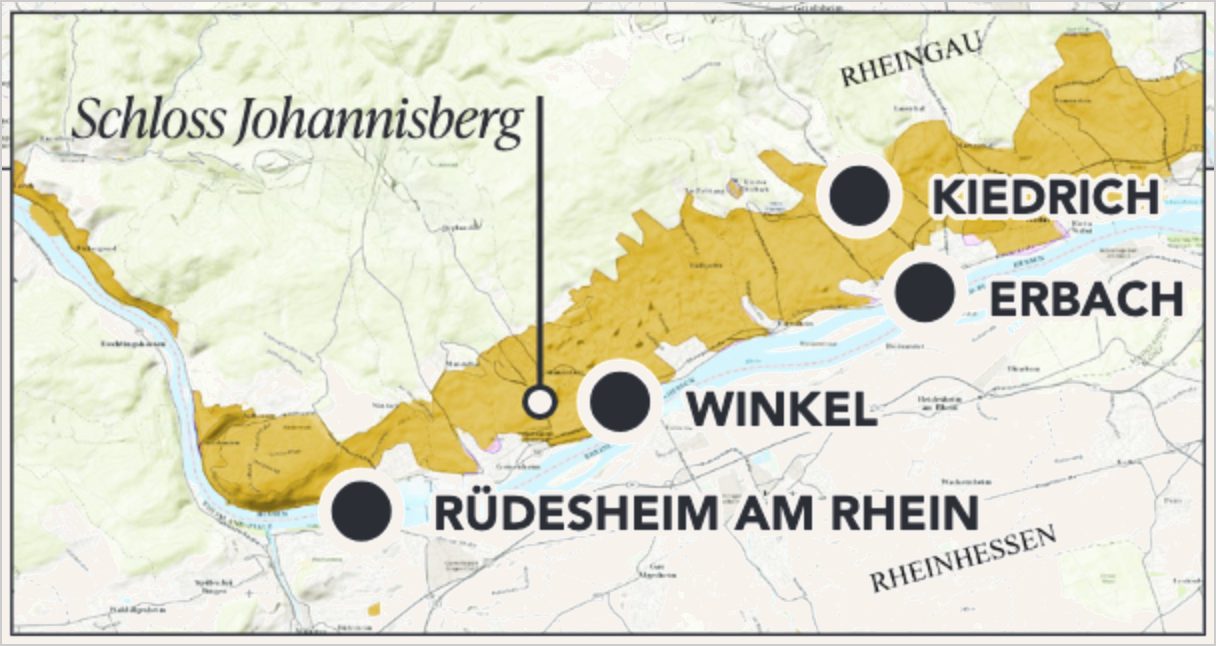
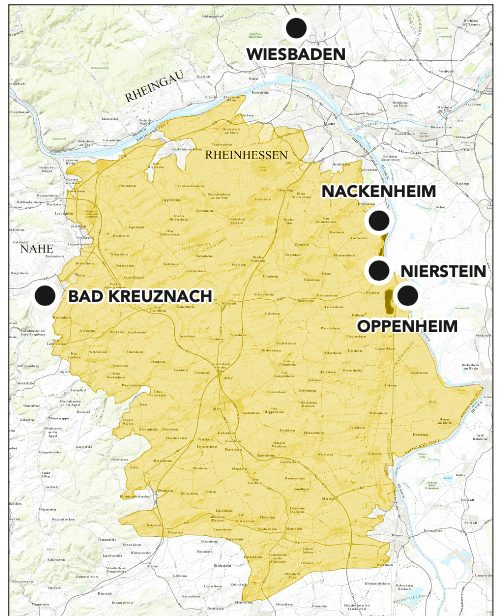
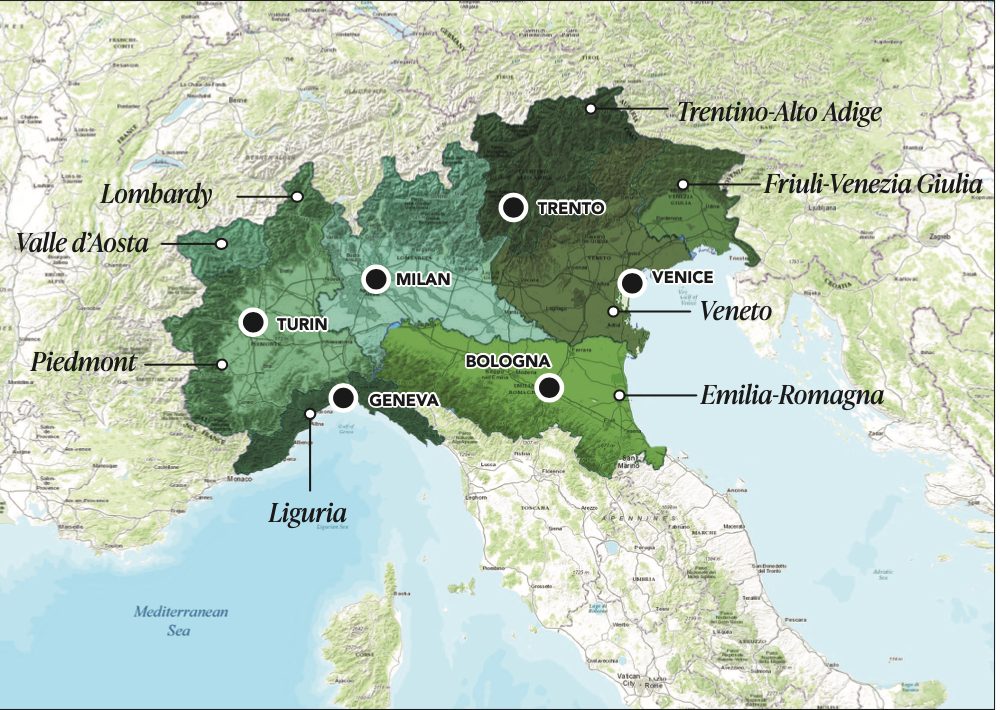
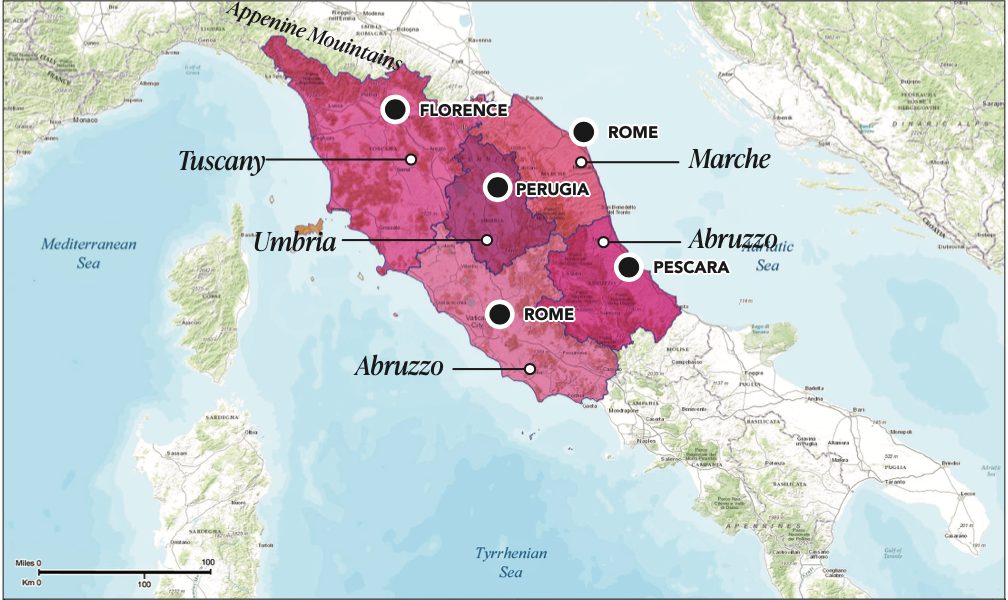
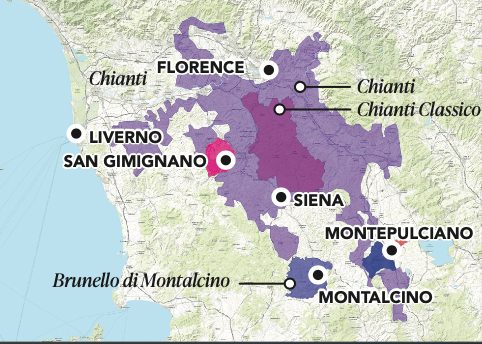
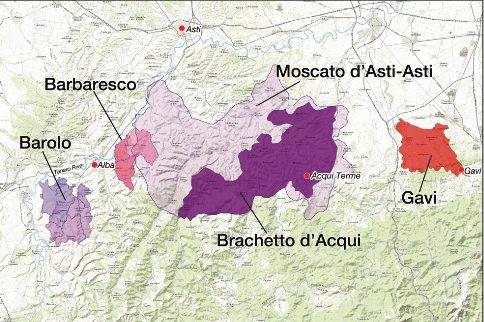
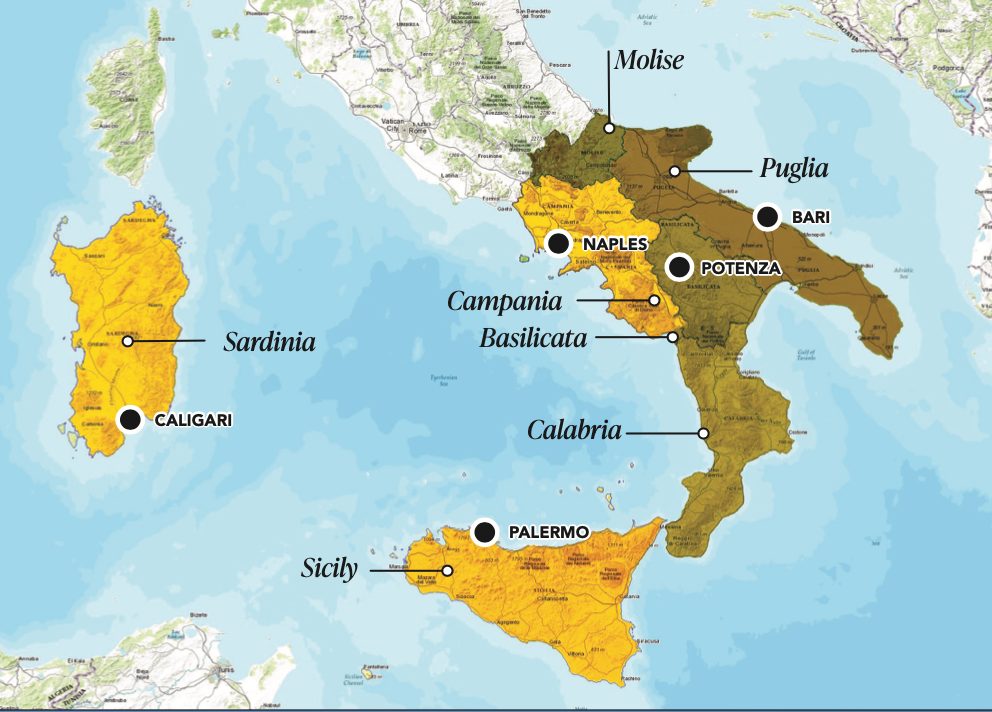
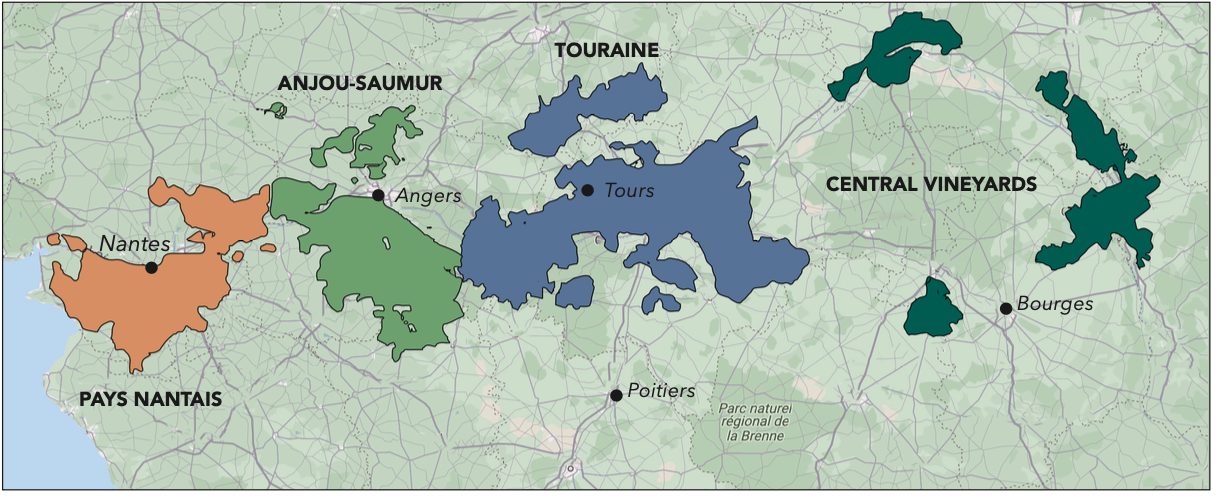
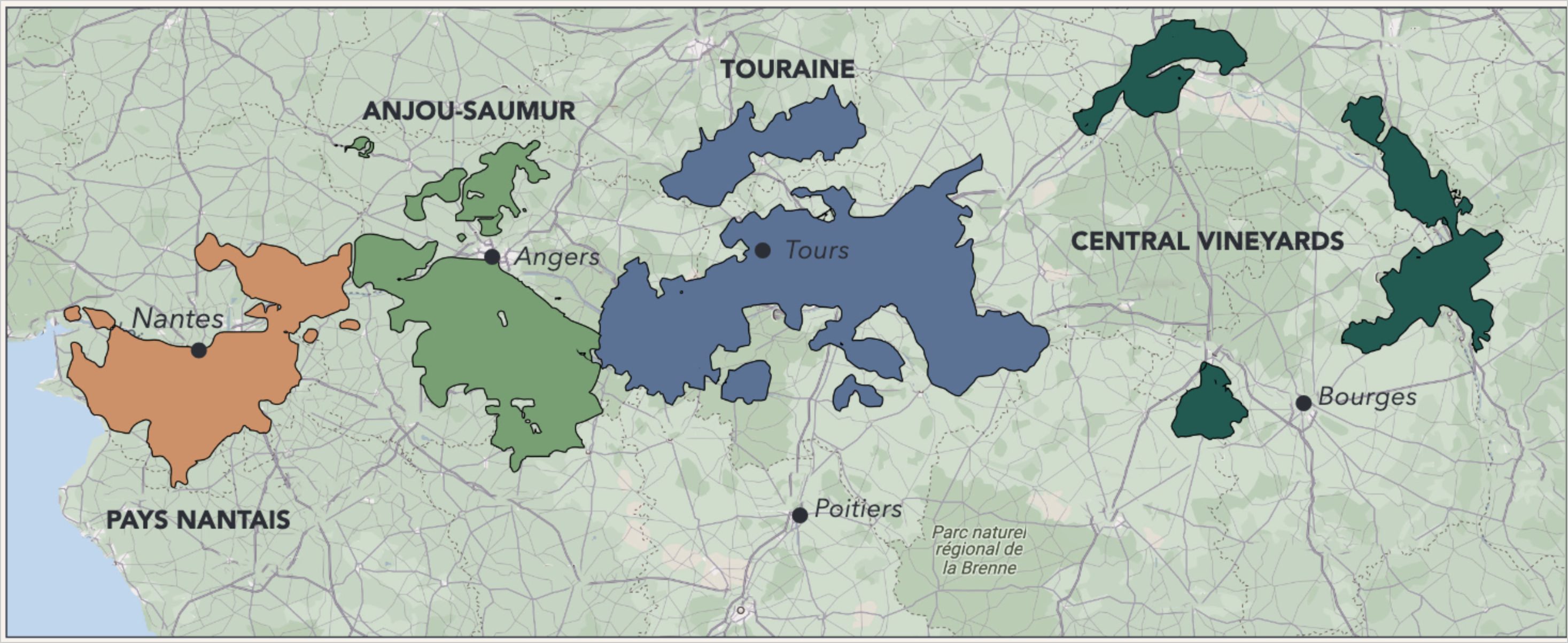
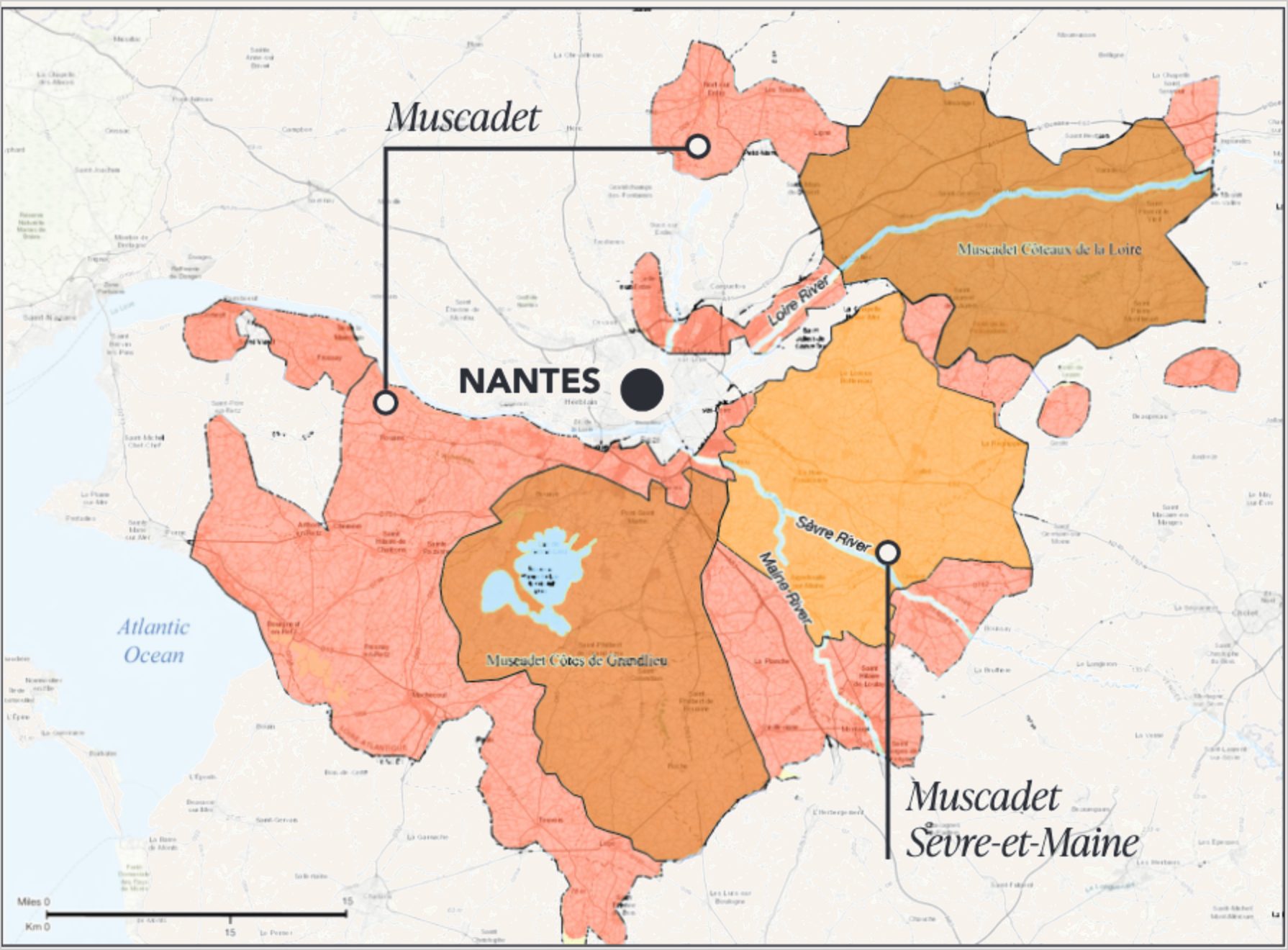
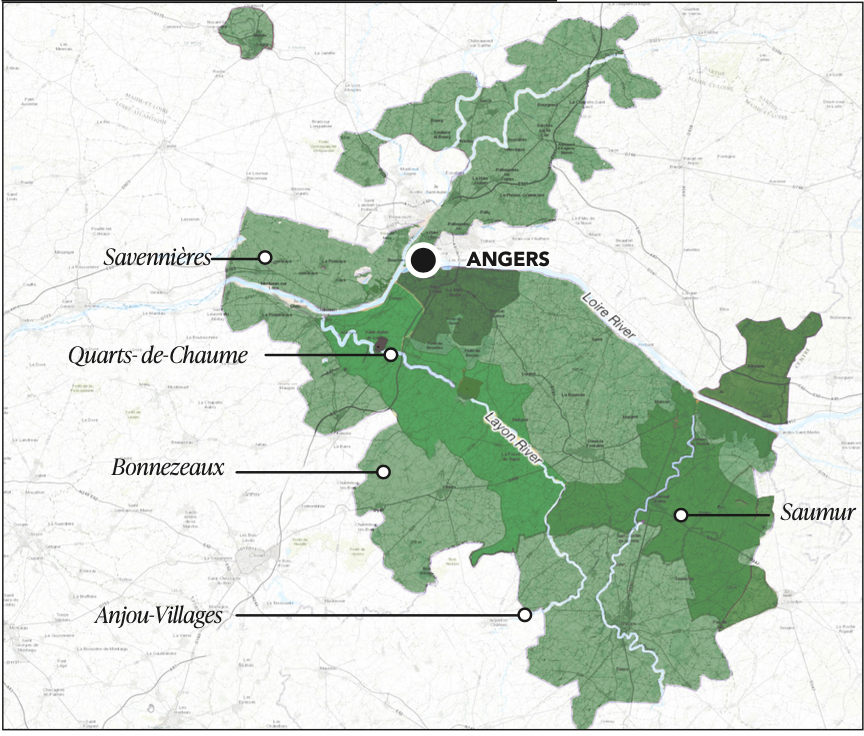
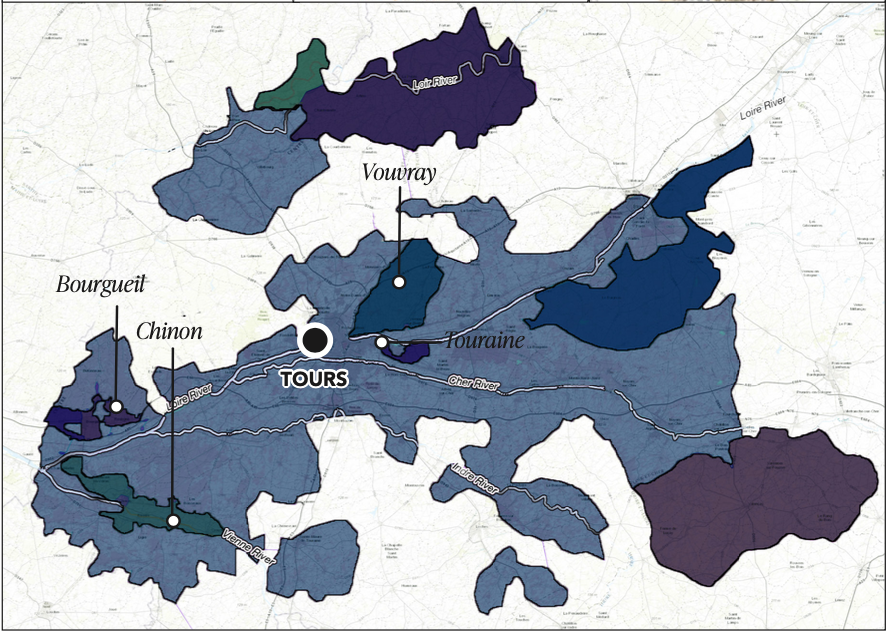
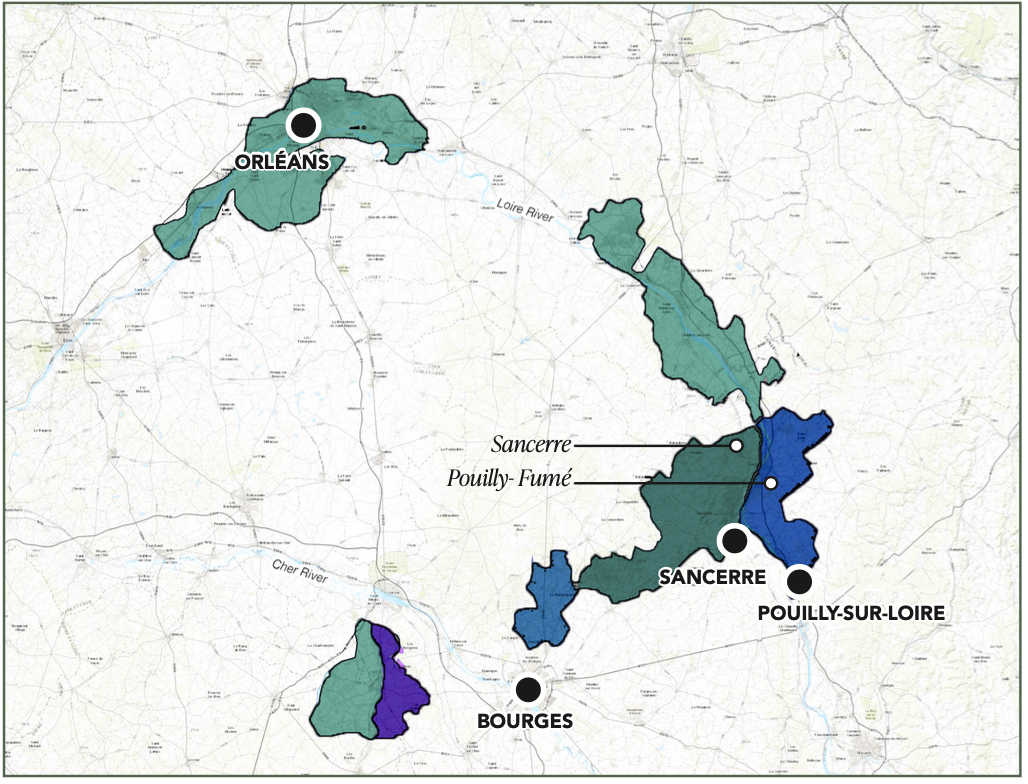
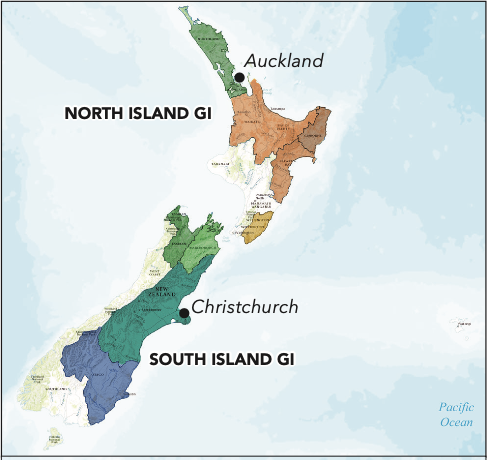
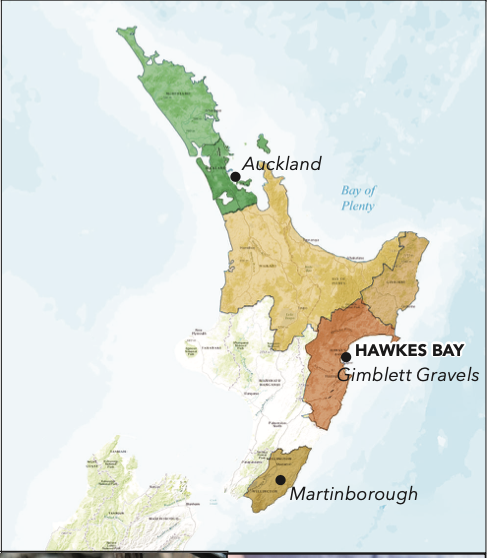
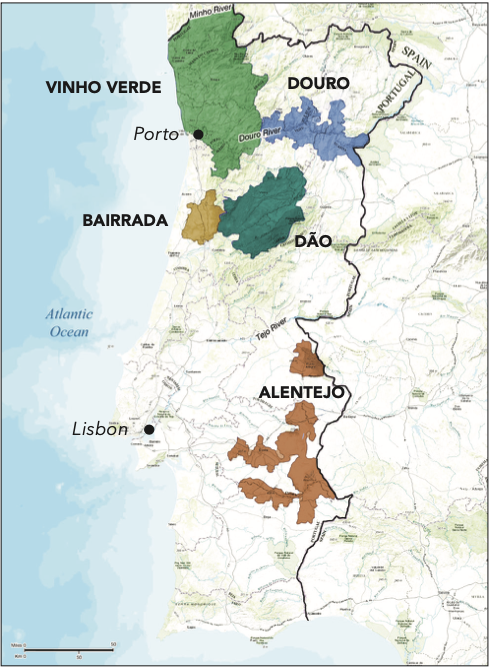
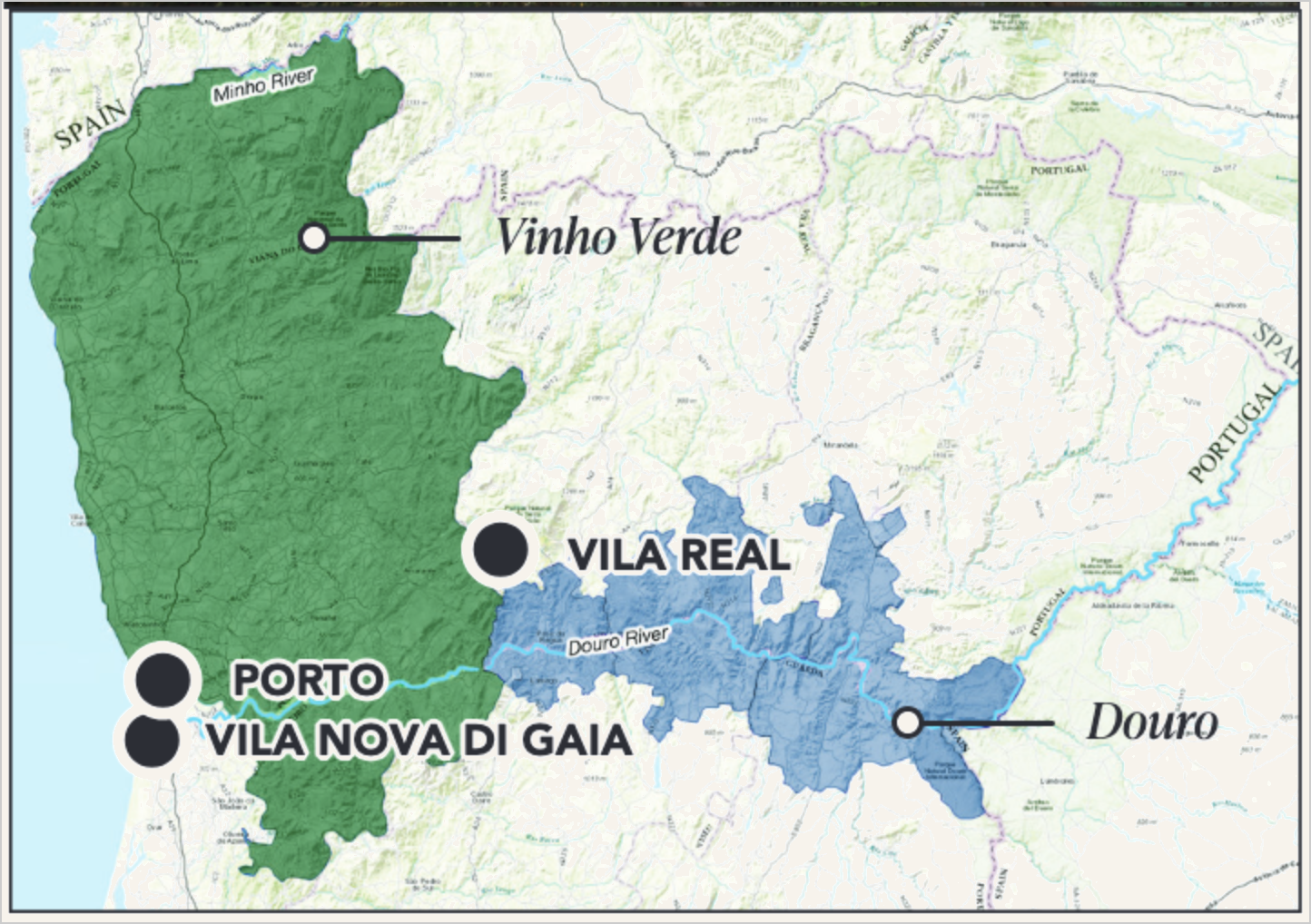
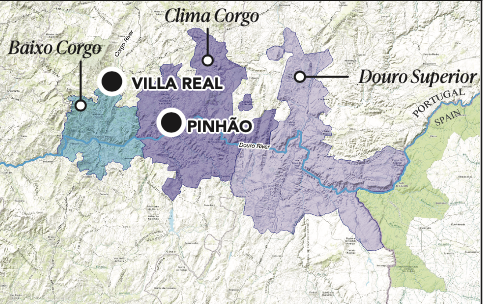
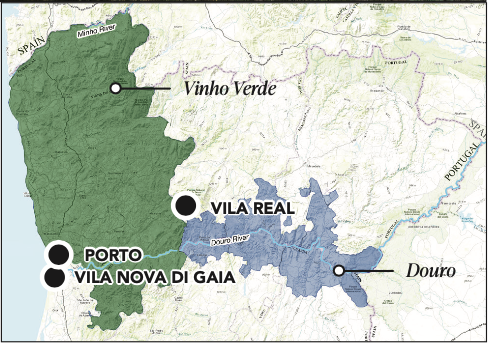
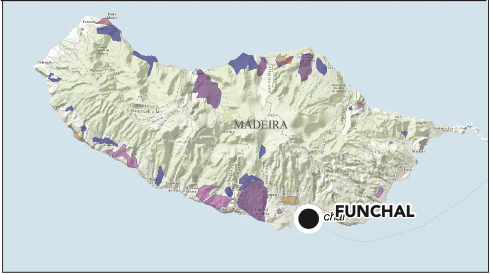
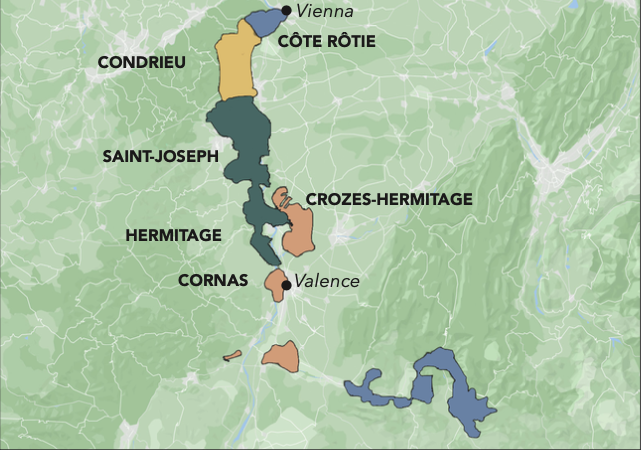
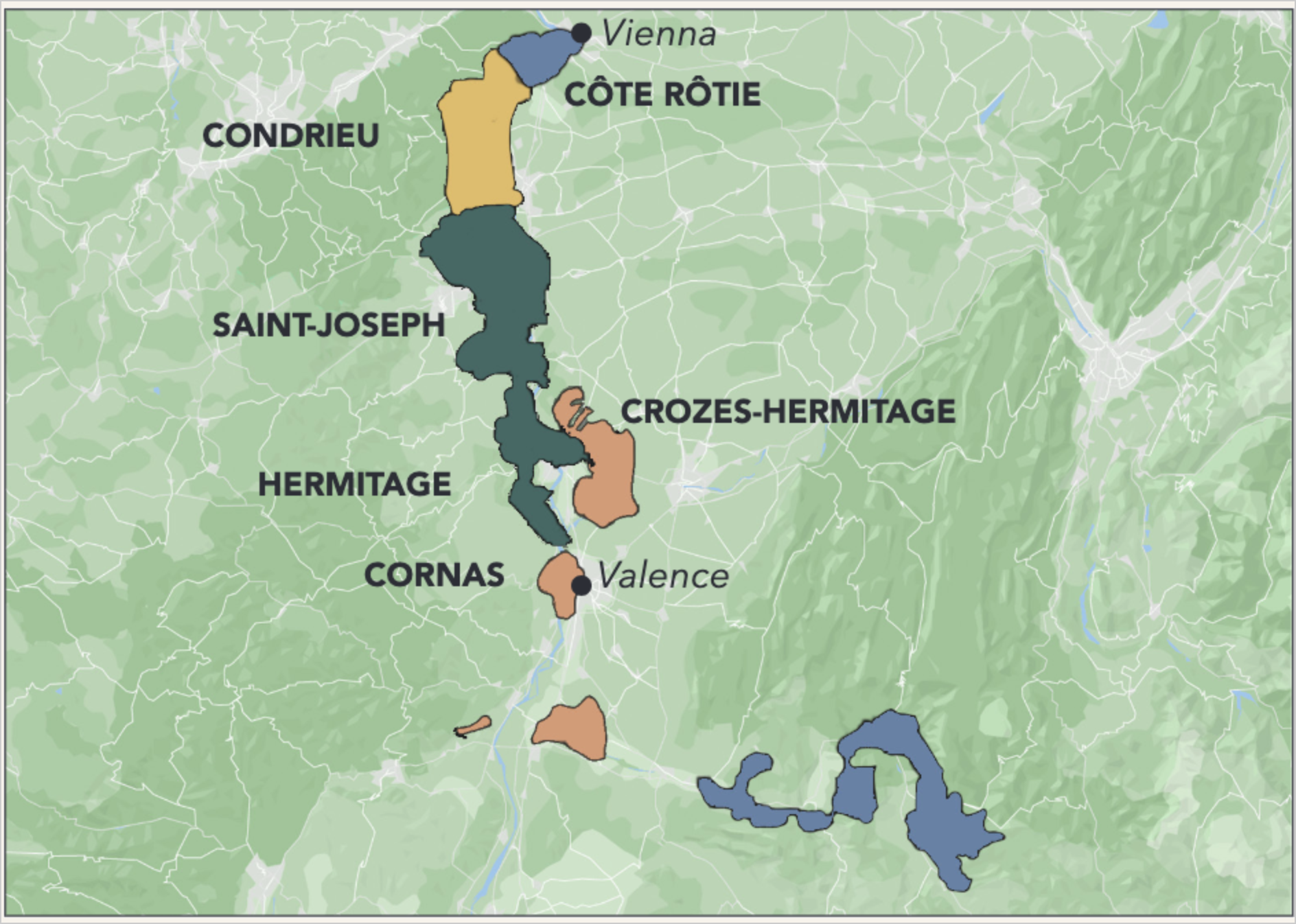
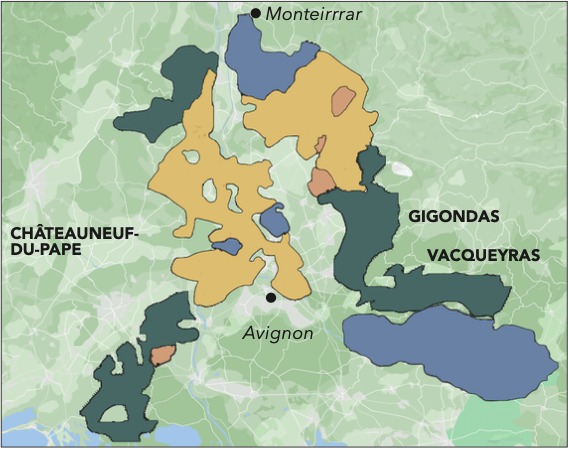
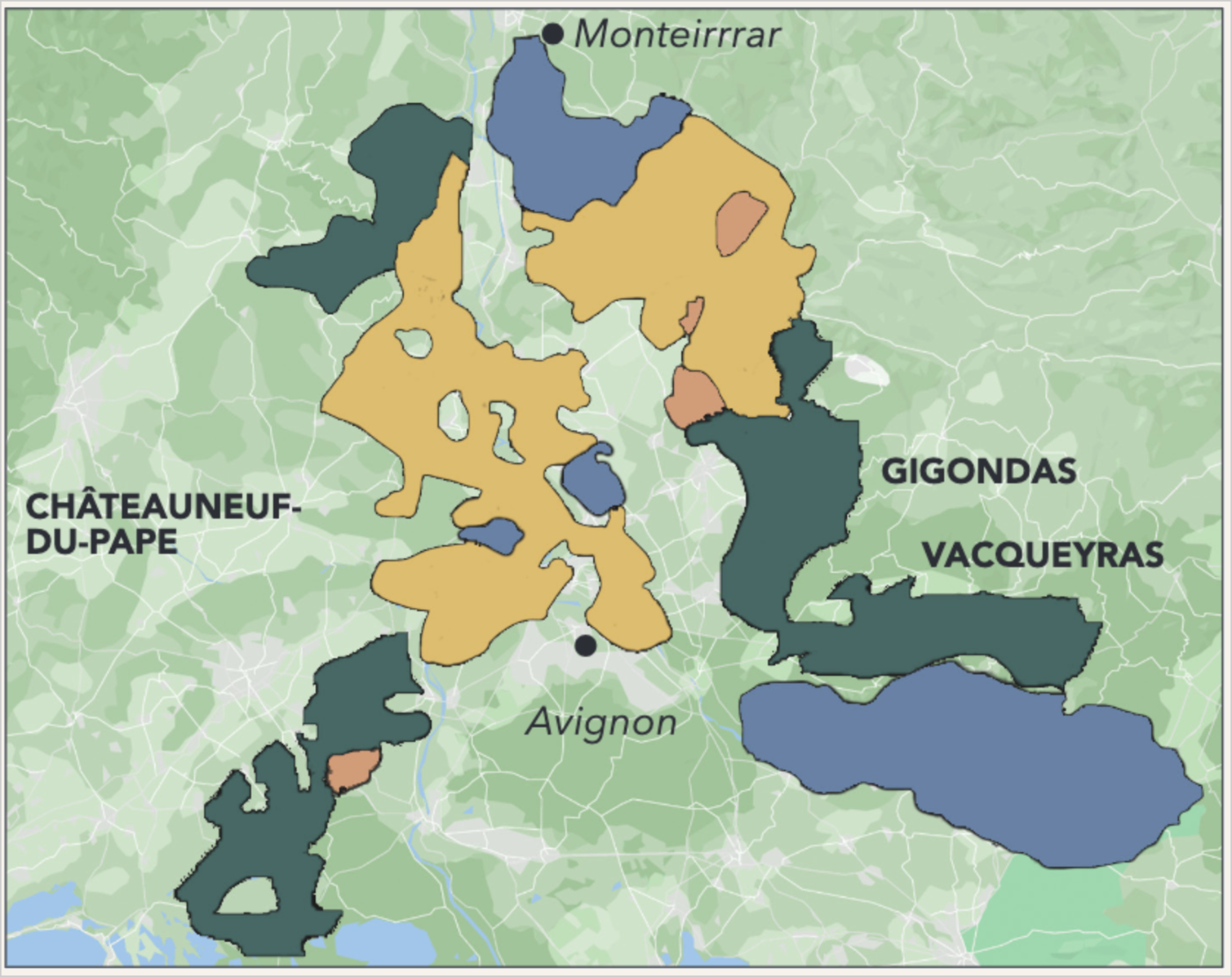
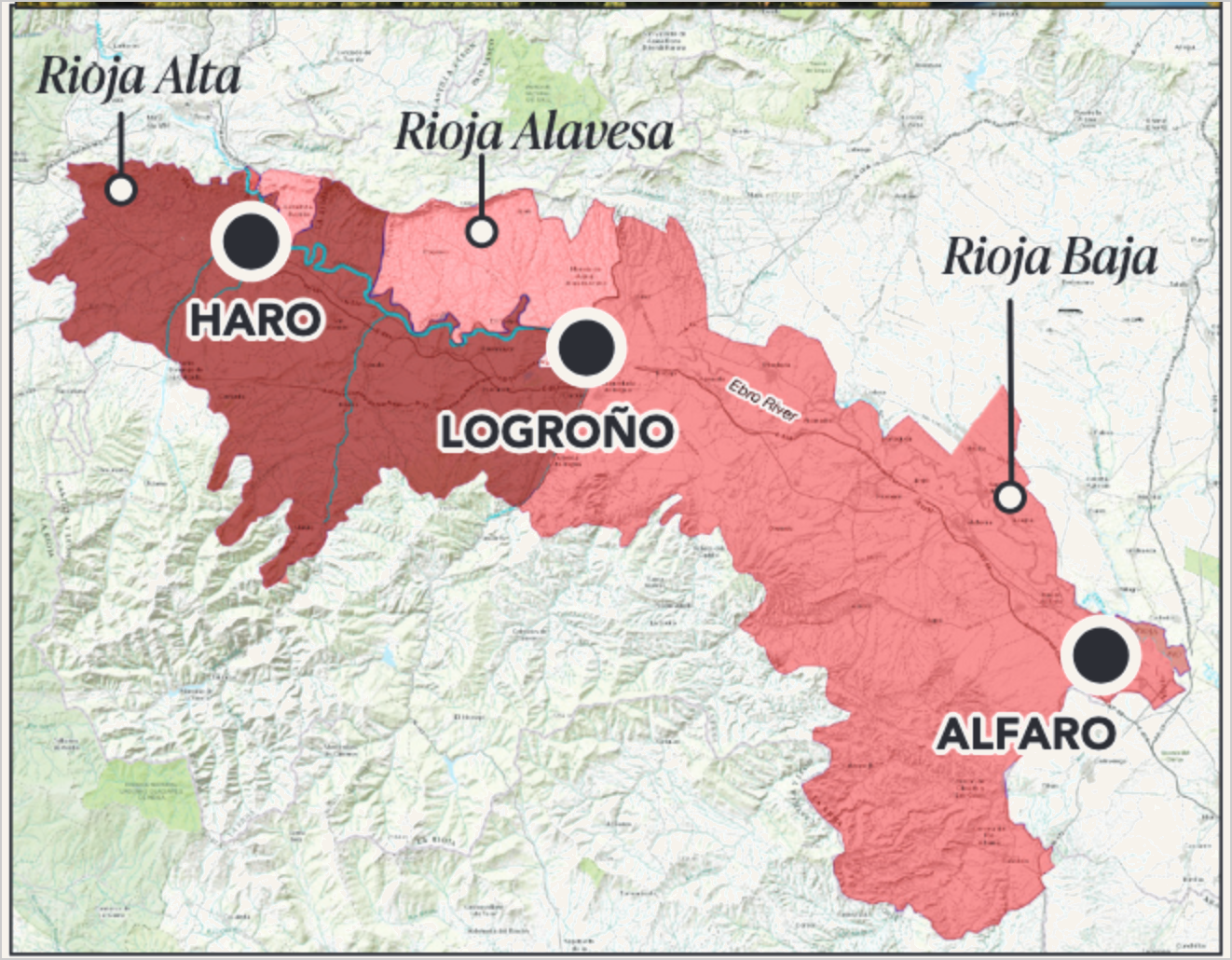
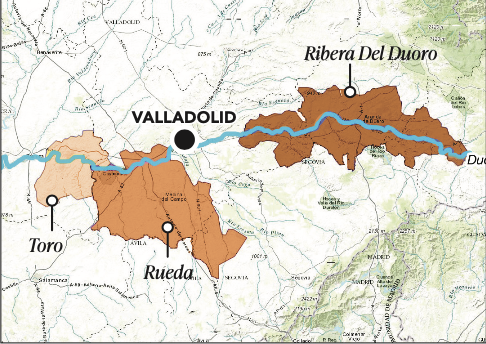
Every chapter opens with a locator, a terrain map and an appellation map. One cartographic key was built and held it across every region, and geography reads the same way each time. Fifty-one custom regional maps, one for every wine region on the syllabus, drawn to a single consistent visual language.
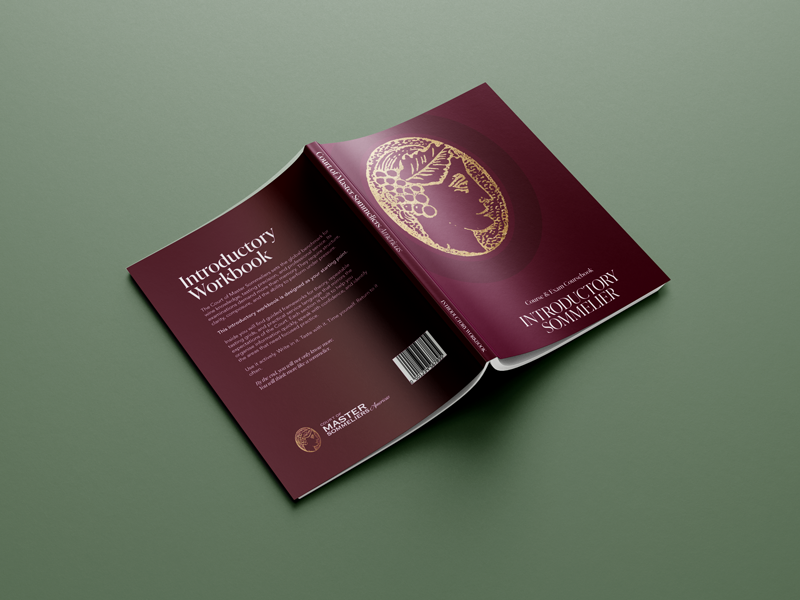
Front and back cover
The book is now the Court's Introductory Course and Exam coursebook, and it works as a learning system rather than a reference document.
“Understand the material first, then design the structure that carries it.”